Project News & Events

Updates, announcements, and highlights from EmpowerVET activities, including transnational meetings, trainings, and project milestones across partner countries.

Design Thinking
Capacity Building & Training, Entrepreneurship & Sustainable Skills, Project News & Events

Design Thinking and the Future of Vocational Education in EmpowerVET

Modern vocational education is evolving rapidly, requiring students to develop not only technical knowledge but also creativity, adaptability, communication, and problem-solving skills. In this context, Design Thinking has become an important methodology for creating more engaging, learner-centred, and practical learning experiences. Within EmpowerVET, Design Thinking is used as a dynamic approach that encourages students to actively participate in the learning process. Instead of focusing only on theoretical concepts, learners work together to identify challenges, analyse situations, develop ideas, and test practical solutions through teamwork and reflection. This methodology allows students to experience education in a more interactive and meaningful way. By working on real-life scenarios and collaborative activities, participants improve their ability to think critically, communicate effectively, and adapt to changing environments. These are essential competences not only for the labour market, but also for personal and professional growth. One of the key strengths of Design Thinking is its human-centred approach. Students learn to understand different perspectives, listen actively, and work together to create solutions that respond to real needs. Through brainstorming sessions, group challenges, practical workshops, and experiential learning activities, learners become more confident in expressing ideas and contributing actively within a team. In EmpowerVET, Design Thinking is closely connected with experiential learning methodologies. Activities developed during the project encourage students to learn by doing, reflecting, collaborating, and experimenting. This creates a more motivating educational environment where young people feel empowered and involved in their own learning journey. The methodology also supports the development of entrepreneurial thinking and innovation. Students are encouraged to explore creative approaches, test ideas without fear of failure, and improve solutions through continuous feedback and collaboration. These competences are increasingly important in modern vocational education and in rapidly changing labour markets. Furthermore, Design Thinking contributes to strengthening international cooperation and intercultural understanding. Working in multicultural groups helps participants develop openness, empathy, and respect for different ideas and experiences. This international dimension enriches the overall learning experience and supports the development of active European citizenship. Through EmpowerVET, Design Thinking demonstrates how vocational education can become more innovative, practical, and future-oriented. By combining creativity, collaboration, and experiential learning, the project helps prepare students for future careers, lifelong learning, and active participation in society. #EmpowerVET #DesignThinking #ErasmusPlus #VocationalEducation #Innovation #FutureSkills #LearningByDoing #YouthEmpowerment #Education

Project News & Events

EmpowerVET Student Training: Learning Beyond the Classroom through the Camino de Santiago

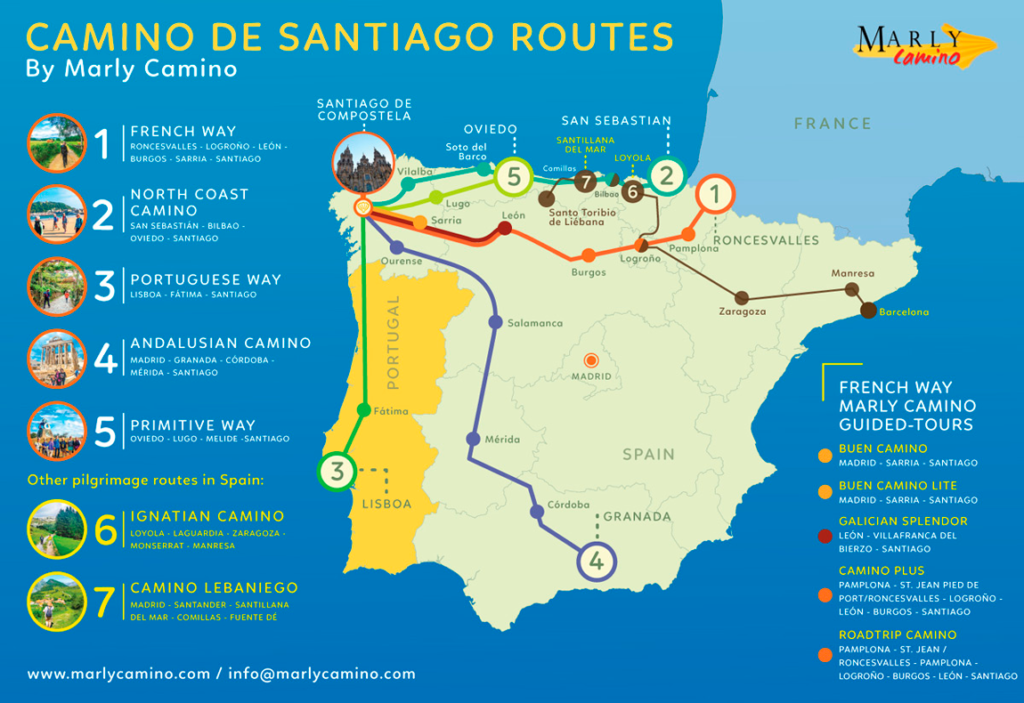
The EmpowerVET project continues to redefine vocational education and training (VET) by integrating innovative, learner-centered methodologies with real-world experiences. One of the most impactful activities within the project was the international student training held in Spain, combining Design Thinking with an immersive journey along the Camino de Santiago. This unique approach transformed a traditional mobility activity into a high-value learning experience, where education moved beyond the classroom into a dynamic, experiential environment. The training officially began at IES Ribeira do Louro, where students from different countries gathered to engage in team-building and project orientation activities. From the outset, the focus was clear: fostering collaboration, creativity, and problem-solving skills. Students were introduced to the core principles of Design Thinking—empathy, problem definition, ideation, prototyping, and testing—laying the foundation for the entire learning journey. What made this training particularly distinctive was its structure. Instead of limiting activities to a static setting, the programme was designed to unfold along the Camino de Santiago. This strategic decision created a powerful learning ecosystem where participants could connect theory with practice in real-time. As students moved through the different stages of the journey, they simultaneously progressed through the phases of Design Thinking. During the second day, which combined a maritime route and a short walking segment from Vilanova de Arousa to Padrón, students engaged in brainstorming sessions inspired by nature. The surrounding environment was not just a backdrop—it became a catalyst for innovation. Participants were encouraged to observe, reflect, and identify sustainability challenges, generating ideas that were both creative and grounded in real-life contexts. The third day marked a shift from ideation to prototyping. As students continued along the Camino, they began transforming their ideas into tangible concepts. This hands-on approach emphasized rapid experimentation and adaptability. Using simple materials and leveraging the immediate environment, teams developed low-fidelity prototypes, testing assumptions and refining their solutions continuously. This phase demonstrated the value of learning-by-doing, a cornerstone of modern VET systems. Testing and validation took place during the fourth day, as students approached Santiago de Compostela. In a real-world setting, participants presented their ideas informally, gathered feedback, and iterated their solutions. This immediate feedback loop enhanced critical thinking and reinforced the importance of user-centered design. The process not only improved the quality of the outcomes but also strengthened students’ confidence in communicating their ideas effectively. The training concluded with formal project presentations back at the hosting institution. Each team showcased their developed solutions, highlighting the journey from problem identification to validated prototype. The final session included peer feedback and reflection, consolidating the learning outcomes and ensuring knowledge transfer among participants. From a strategic perspective, this activity delivered multiple layers of impact. First, it enhanced students’ transversal skills, including teamwork, communication, and creativity. Second, it strengthened teachers’ capacity to implement innovative pedagogical approaches, as they actively participated as facilitators and observers throughout the process. Third, it contributed to the internationalisation of VET by fostering cross-cultural collaboration and exchange of practices. Moreover, the integration of limited technology use during the activity encouraged participants to disconnect from digital distractions and engage more deeply with the learning process. This intentional design element supported focus, reflection, and authentic interaction—factors often overlooked in traditional training formats. In conclusion, the EmpowerVET student training exemplifies how vocational education can evolve to meet the demands of a rapidly changing world. By combining experiential learning, Design Thinking, and international mobility, the project delivers a scalable model for modern VET systems. The Camino de Santiago was not just a route—it became a learning pathway, where students developed not only professional competences but also a broader mindset oriented towards innovation, sustainability, and collaboration. EmpowerVET continues to demonstrate that when education is designed with purpose and creativity, the results go far beyond expected outcomes. Disclaimer Funded by the European Union. Views and opinions expressed are however those of the author(s) only and do not necessarily reflect those of the European Union or the European Education and Culture Executive Agency (EACEA). Neither the European Union nor EACEA can be held responsible for them.
Capacity Building & Training, Project News & Events

EmpowerVET: International Design Thinking Training along the Camino de Santiago

Within the framework of the EmpowerVET project, from April 20–24, 2026, students and teachers will participate in an international Design Thinking training, taking place along the Camino de Santiago in Spain, hosted by IES Ribeira do Louro. This training is designed as an immersive learning experience, where education takes place in a real-life environment, integrating nature, movement, and reflection into the learning process. The programme is structured around the Design Thinking methodology, guiding participants through its key phases: On the first day, participants will engage in team-building activities, form international teams, and start working on real-life challenges. During the following days, activities will take place along the Camino route, where students will explore the environment, analyse real-world challenges, and develop innovative ideas connected to sustainability and local development. The process will continue with idea selection and the development of prototypes using simple and natural materials, turning learning into a hands-on and practical experience. The training will conclude with project presentations, enabling feedback, reflection, and evaluation of outcomes. This activity is expected to contribute to: Ultimately, this training goes beyond a traditional learning activity — it functions as an open innovation lab, where students learn by doing and co-creating real solutions. Disclaimer Funded by the European Union. Views and opinions expressed are however those of the author(s) only and do not necessarily reflect those of the European Union or the European Education and Culture Executive Agency (EACEA). Neither the European Union nor EACEA can be held responsible for them

Project News & Events

Strengthening Collaboration and Reporting Progress in the EmpowerVET Project

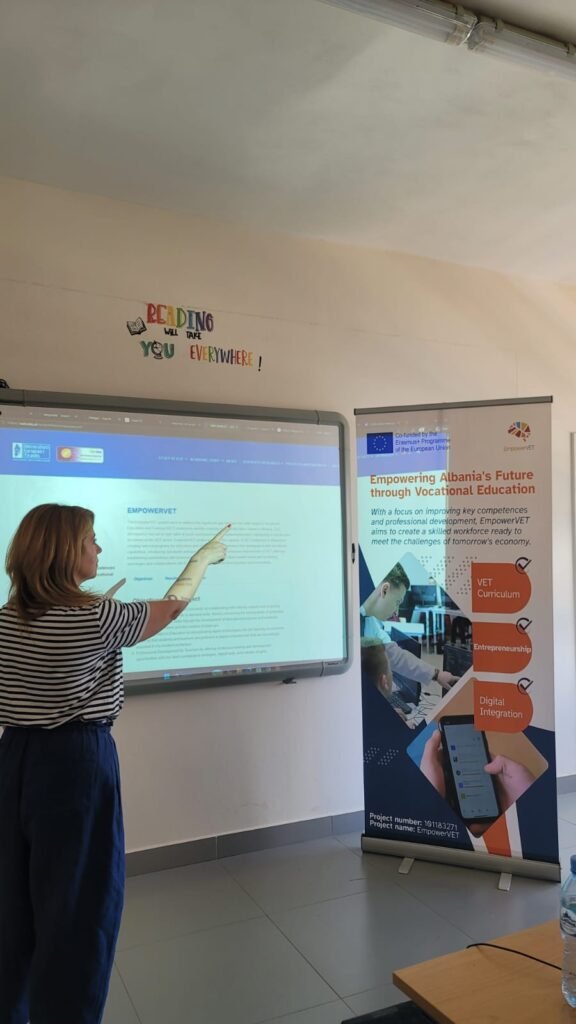
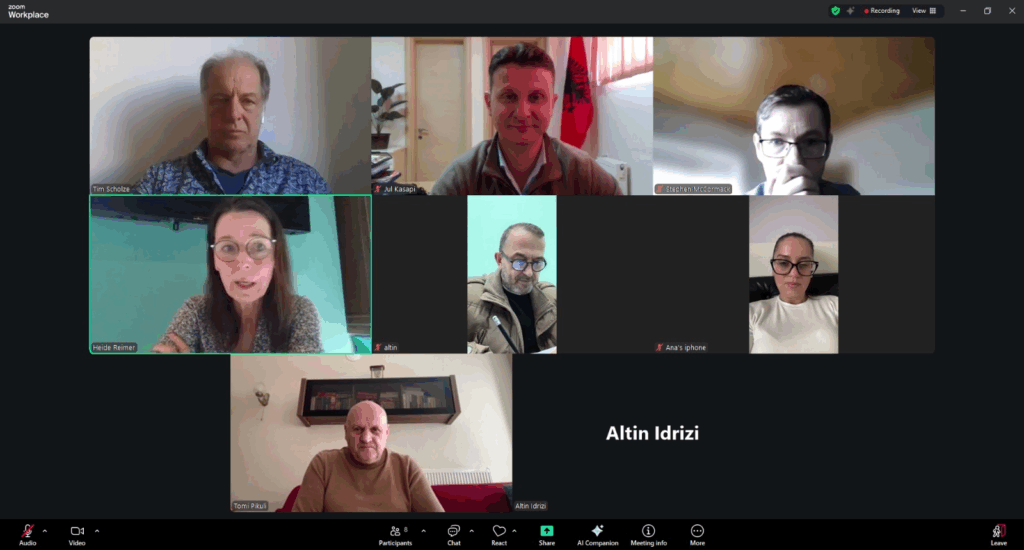
The EmpowerVET partnership continues to advance its mission of strengthening key competences and entrepreneurial skills within vocational education in Albania. Following an intensive period of proposal writing and project activities across the consortium, partners recently held an important coordination meeting to discuss progress and ensure alignment on the next project milestones. The meeting was organized with two primary objectives: to prepare for the upcoming interim report and to review ongoing activities related to student entrepreneurship initiatives and project dissemination. As the reporting deadline approaches, coordination among partners has become particularly important to ensure that all project achievements are properly documented and communicated. A key topic of discussion during the meeting was dissemination and communication activities carried out by each partner institution. Within Erasmus+ projects, dissemination plays a vital role in ensuring that project results reach a broader audience and contribute to systemic impact. Each partner is expected to conduct at least two dissemination activities during the reporting period. These activities may include internal meetings, presentations to colleagues or students, networking events, or any opportunity where the project was introduced or discussed. Partners were reminded to document each activity clearly using the provided reporting template. For each event or communication action, a short description in bullet points should outline what took place, who participated, and how the EmpowerVET project was presented. These reports will form part of the official project documentation submitted to the European Commission. In addition to dissemination reporting, the consortium also discussed the planning of upcoming project activities. Particular attention was given to the organization of the course for Albanian students that will take place in Spain. This mobility activity is expected to play a significant role in strengthening entrepreneurial learning and international exposure for participating students. Another important discussion point was the status of pilot entrepreneurship projects currently being implemented in Albania. These initiatives aim to encourage students to develop innovative ideas and practical business concepts as part of the EmpowerVET learning approach. Partners were invited to share updates on the development of these activities and to present examples of ongoing work within their institutions. The EmpowerVET project places strong emphasis on innovative teaching methodologies, international cooperation, and practical learning experiences. Earlier activities within the project, including the Train-the-Trainers course in Göttingen, Germany, introduced educators to entrepreneurship education and collaborative problem-solving approaches designed for vocational education environments. As the project moves forward, continued collaboration among partners will remain essential to ensure high-quality implementation and meaningful impact. Through regular coordination meetings, transparent reporting, and active dissemination, the consortium aims to maximize the value of the EmpowerVET initiative for students, teachers, and vocational education institutions across the region. The upcoming reporting period will be an important opportunity to highlight the achievements of the partnership and demonstrate how EmpowerVET is contributing to the development of entrepreneurial skills and innovative learning practices within vocational education. Funded by the European Union. Views and opinions expressed are however those of the author(s) only and do not necessarily reflect those of the European Union or the European Education and Culture Executive Agency (EACEA). Neither the European Union nor EACEA can be held responsible for them.
Project News & Events

Communication Activities: Driving Visibility, Engagement, and Impact Across the Project Lifecycle

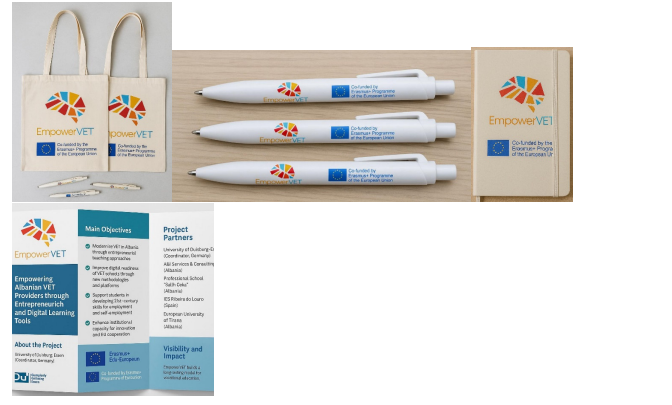
Effective communication is not a peripheral activity in an Erasmus+ project—it is a core delivery mechanism that directly influences impact, sustainability, and stakeholder uptake. The Communication Activities deliverable has been designed as a structured, results-oriented framework that ensures project achievements are visible, understandable, and reusable by all relevant audiences, from learners and educators to policymakers and industry partners. From the outset, communication activities have been strategically aligned with the project’s objectives and target groups. The project website serves as the central information hub, continuously updated with key deliverables, news, events, and results. It functions not only as a repository of outputs but as a living platform that demonstrates progress, transparency, and EU added value over time. Complementing the website, social media channels (Facebook, LinkedIn, Instagram) are actively used to amplify reach and engagement. These channels enable the timely dissemination of milestones, training activities, events, and success stories while also fostering two-way interaction with the wider community. Content is adapted to each platform to maximize visibility, relevance, and user engagement. A strong visual identity underpins all communication actions. Logos, templates, promotional materials, and branded content ensure consistency and professional presentation across digital and physical channels. This coherent branding strengthens project recognition and reinforces credibility among stakeholders and institutions. Newsletters and press-oriented content further extend outreach. Periodic newsletters consolidate achievements, highlight progress, and provide concise updates to stakeholders, while blog articles and media publications translate technical outputs into accessible narratives for broader audiences. These tools support both the dissemination and exploitation of results. Face-to-face dissemination remains equally critical. Events with students, teachers, enterprises, and institutional actors enable direct knowledge transfer, validation of results, and meaningful stakeholder engagement. These interactions ensure that project outputs respond to real needs and are embedded in practice. In parallel, targeted policy communication ensures that results reach decision-makers and relevant authorities, supporting long-term sustainability and potential scaling at the system level. In summary, the Communication Activities deliverable demonstrates a proactive, multi-channel, and impact-driven approach. It ensures that project results do not remain static outputs, but become visible assets that inform practice, influence policy, and create lasting value well beyond the project duration. Funded by the European Union. Views and opinions expressed are however those of the author(s) only and do not necessarily reflect those of the European Union or the European Education and Culture Executive Agency (EACEA). Neither the European Union nor EACEA can be held responsible for them.
Project News & Events

EmpowerVET Project Update: Strengthening Teacher Engagement and Capacity Building

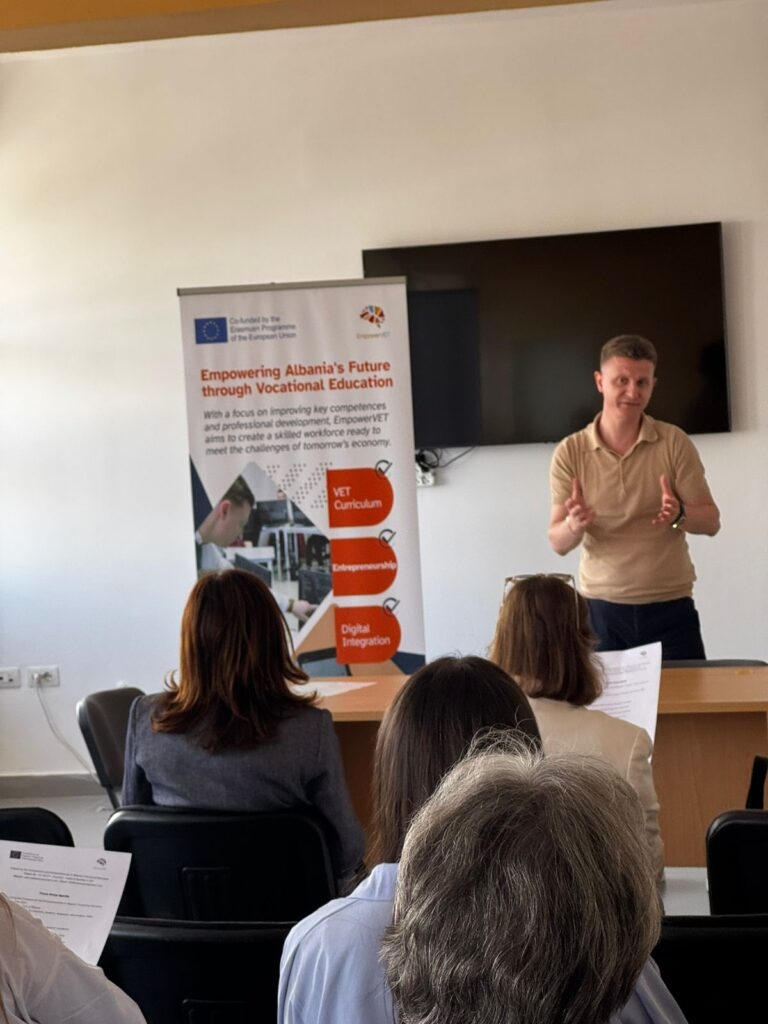
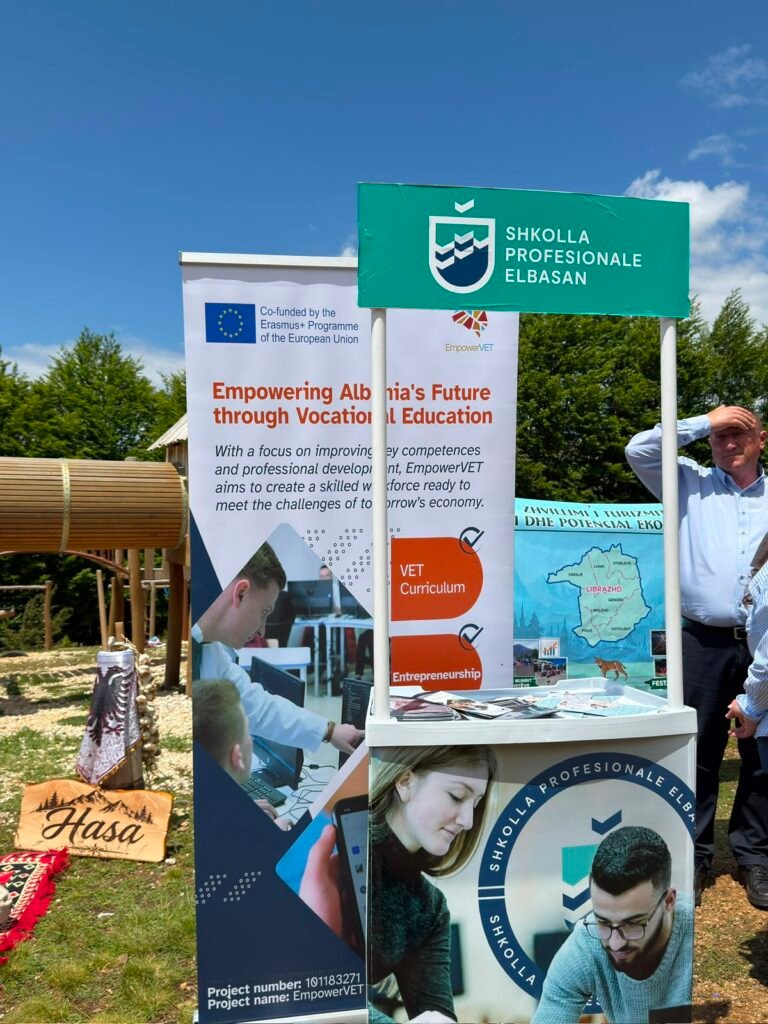
In September 2025, Juljan Kasapi, Project Manager of the Vocational School of Elbasan, held a strategic coordination meeting with the teaching staff to provide a comprehensive update on the implementation of the EmpowerVET project. During the meeting, Mr. Kasapi presented the current progress of the project, highlighting key milestones achieved to date and outlining the upcoming phases of implementation. The discussion focused on how EmpowerVET is contributing to the modernization of vocational education and training through the enhancement of key competences, entrepreneurship education, and innovative teaching and learning approaches. A core objective of the meeting was to ensure alignment between the project’s strategic goals and the active involvement of teachers as key change agents within the school ecosystem. Teachers were informed about their role in piloting new methodologies, integrating project outcomes into daily teaching practice, and contributing to the long-term sustainability of project results. In addition, Mr. Kasapi strongly encouraged teachers to apply for participation in the upcoming international Train-the-Trainers programme scheduled to take place in December in Göttingen, Germany. This mobility activity represents a significant professional development opportunity, enabling participants to engage with European peers, exchange best practices, and strengthen their competences in entrepreneurship education, sustainability, and innovative pedagogy. The meeting concluded with an open discussion, where teachers expressed interest in the training opportunity and reaffirmed their commitment to supporting the EmpowerVET project. This internal engagement marks a critical step in ensuring effective project implementation and maximizing its impact at institutional level. Through continuous communication, capacity building, and international cooperation, EmpowerVET continues to empower educators and strengthen the future of vocational education in Albania. Funded by the European Union. Views and opinions expressed are however those of the author(s) only and do not necessarily reflect those of the European Union or the European Education and Culture Executive Agency (EACEA). Neither the European Union nor EACEA can be held responsible for them.
Capacity Building & Training, Digital Transformation in VET, Entrepreneurship & Sustainable Skills, Project News & Events, Research & Innovation, Resources & Publications

EmpowerVET Train-the-Trainers Week in Göttingen: Building Future-Ready Pedagogical Capacity

The EmpowerVET project marked a major milestone this December with the successful delivery of the Train-the-Trainers Week in Göttingen, Germany (01–07 December 2025). Designed as a flagship capacity-building intervention under Erasmus+ CB-VET, the programme brought together educators, trainers, and institutional leaders from Albania, Germany, and Spain to co-create next-generation teaching and learning approaches tailored for the Albanian VET ecosystem. This intensive week was structured to accelerate pedagogical innovation, strengthen entrepreneurial competences, and foster cross-border collaboration—ultimately empowering VET schools to anchor sustainable development principles in their daily practice. A Strategic Start: Online Preparations Ahead of the physical mobility, participants joined an online session on 26 November, providing a streamlined project introduction, presenting the full training agenda, and engaging in an initial warm-up activity to set expectations and build rapport. Day-by-Day Highlights from Göttingen Monday, 1 December – Arrival and Onboarding Participants arrived in Göttingen and settled into the training environment, setting the stage for an intensive learning journey. Tuesday, 2 December – Foundations of Innovative Teaching The week officially opened with two high-impact themes: The afternoon focused on team building, forming international working groups composed of Albanian, Spanish, and German participants. These teams initiated Task 1, where they analyzed contextual challenges in their institutions and formulated joint problem statements to drive innovation in the days ahead. Wednesday, 3 December – Exposure to Cutting-Edge Innovation A full-day excursion showcased German best practices in sustainability and applied innovation: This immersion provided participants with real examples of prototypes and research labs that can inspire student projects and VET curricula in Albania. Thursday, 4 December – Ideation & Pedagogical Innovation With fresh insights from the excursion, trainers explored: By the afternoon, teams began selecting their best ideas and preparing prototypes—translating theory into tangible solutions. The day concluded with a joint networking dinner, cementing collaboration among partners. Friday, 5 December – Prototyping & Presentation Day Teams finalized their prototypes and delivered structured presentations, showcasing new concepts for innovative VET practices aligned with EmpowerVET’s mission. A reflective self-assessment exercise closed the academic portion of the week, ensuring participants internalized the competencies developed. Saturday, 6 December – Departures & Follow-Up Participants returned to their institutions, equipped with new tools, frameworks, and European partnerships to champion change. Why This Week Matters for Albanian VET The Göttingen training week is more than a mobility—it’s a strategic enabler for Albania’s VET transformation. Participants gained: Most importantly, the ideas and prototypes developed during the week will feed directly into EmpowerVET’s capacity-building actions, supporting Albanian VET schools to adopt modern teaching methodologies that align with EU priorities. A Catalyst for Systemic Change The Train-the-Trainers week in Göttingen demonstrated the power of co-creation and international collaboration in shaping future-ready vocational education. As EmpowerVET continues unfolding throughout 2025–2026, the competencies built here will echo across classrooms, curricula, and communities—driving meaningful, sustainable transformation. Thank you! Funded by the European Union. Views and opinions expressed are however those of the author(s) only and do not necessarily reflect those of the European Union or the European Education and Culture Executive Agency (EACEA). Neither the European Union nor EACEA can be held responsible for them.

Project News & Events

EmpowerVET Project Website

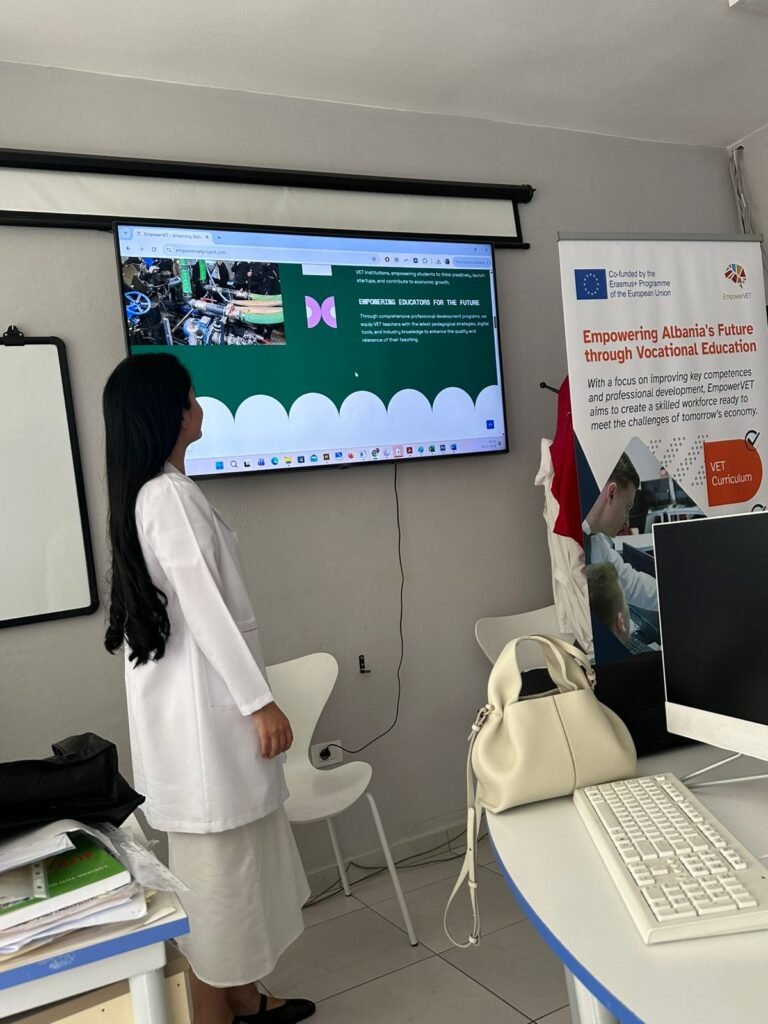
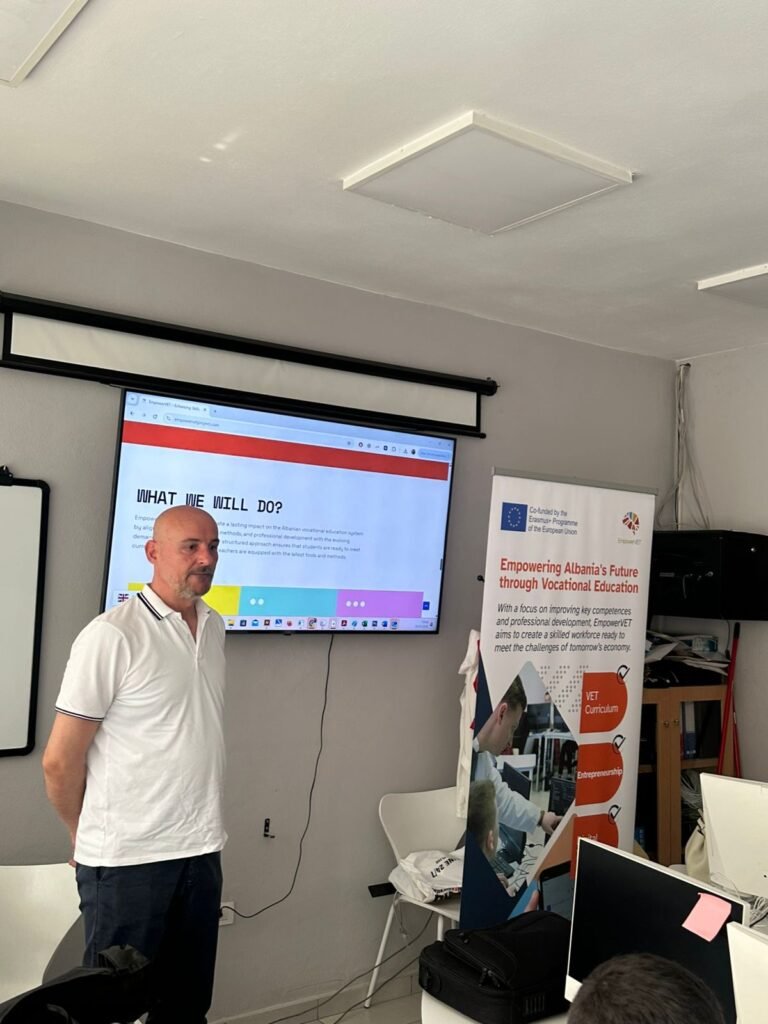
The EmpowerVET project website serves as the central digital hub for all communication, engagement, and knowledge-sharing activities throughout the project lifecycle. Designed as a modern, user-friendly, and fully accessible platform, it ensures transparency, visibility, and easy access to project results for stakeholders across Albania and Europe. Built in line with Erasmus+ communication standards, the website hosts all key project deliverables, updates, training resources, and promotional materials. It functions as the primary gateway for educators, students, policymakers, and partner institutions to engage with the project, track progress, and download open-access materials. Key Features and Functions 1. Dynamic News & UpdatesRegular posts highlight major milestones, events, workshops, piloting phases, and results. This keeps stakeholders informed and strengthens the project’s public visibility. 2. Repository of DeliverablesAll public deliverables—research reports, curricula, training modules, policy briefs, newsletters, and promotional materials—are available for download, ensuring open access and transparency. 3. Dedicated Sections for Each Work PackageClear navigation allows visitors to follow the development, piloting, and dissemination activities undertaken by each WP, from research and curriculum development to capacity building and sustainability. 4. Visual Identity & Media LibraryA curated collection of photos, videos, infographics, and branded materials supports partners in communication activities and showcases real project impact across institutions. 5. Partner Institution ProfilesDetailed profiles highlight the roles, expertise, and contributions of each consortium member, reinforcing cross-country collaboration and European cooperation. 6. Stakeholder Engagement & Contact PortalAn integrated contact form and partner directory enable meaningful collaboration with businesses, VET providers, policymakers, and community actors interested in joining EmpowerVET initiatives. 7. Analytics & MonitoringWebsite performance is monitored regularly—tracking visitors, downloads, and engagement—to measure dissemination impact. The project aims to reach 5,000+ visits by the end of the implementation period. Long-Term Access & Sustainability Beyond the project’s duration, the website will remain active as a permanent repository of teaching materials, research outputs, and policy recommendations. It will continue to serve as an open learning environment for VET teachers, students, and institutions, supporting future Erasmus+ collaborations and national VET reforms. Funded by the European Union. Views and opinions expressed are however those of the author(s) only and do not necessarily reflect those of the European Union or the European Education and Culture Executive Agency (EACEA). Neither the European Union nor EACEA can be held responsible for them.
Project News & Events

EmpowerVET: Building Visibility, Engagement, and Long-Term Impact in Albania’s VET System

As Albania accelerates its transition toward a modern, innovation-driven vocational education system, the EmpowerVET project stands as a strategic initiative designed to strengthen key competences, entrepreneurial mindsets, and digital readiness across VET institutions. A crucial pillar of this ambition is Work Package 4 (WP4), which shapes the project’s dissemination, communication, and sustainability roadmap. The Dissemination & Sustainability Plan (Deliverable D4.1) outlines a comprehensive strategy to ensure project visibility, stakeholder engagement, and long-lasting impact well beyond the formal life cycle of the project. A Strategic Blueprint for Targeted Dissemination Effective dissemination is not just an EU requirement—it’s a catalyst for change. The EmpowerVET strategy sets clear goals: increase awareness, foster participation, support policy dialogue, and anchor project outputs within Albania’s educational and economic landscape. To achieve this, the plan deploys an integrated communication system that spans digital platforms, social networks, events, academic channels, and institutional partnerships. Central tools include the project website, which functions as a digital repository and communication hub; the official EmpowerVET social media accounts; branded templates and promotional materials; and regular newsletters. By Month 24, the project aims to achieve measurable engagement benchmarks—such as 5,000 website visits, strong social media follower growth, and hundreds of stakeholders reached through events and outreach activities. The strategy also sets high visibility standards for the project’s visual identity. EU branding guidelines are strictly followed, ensuring that all materials—reports, presentations, banners, brochures—accurately represent the project’s alignment with the Erasmus+ Programme. Engaging the Ecosystem: From Local Classrooms to European Networks EmpowerVET does not operate in isolation. Its dissemination plan identifies a broad ecosystem of beneficiaries and stakeholders whose engagement is necessary for sustainable reform. These include: Each stakeholder group receives tailored messaging and engagement approaches—demonstrating a sophisticated communication architecture calculated to build ownership, participation, and multiplier effects. Sustainability: Ensuring the Project Lives Beyond Its Funding One of the most substantial contributions of WP4 is the Sustainability Plan, which maps out how EmpowerVET’s innovations will continue shaping the VET sector after 2026. Sustainability is built around five pillars: 1. Institutional IntegrationModules, teaching methods, micro-credentials, validation tools, and digital resources will be embedded into school curricula—starting with the Professional School of Elbasan. Leadership bodies have committed to aligning school development strategies with project innovations. 2. Stakeholder EngagementMoUs, structured dialogue, and joint events with ministries, NAVETQ, businesses, and local governments will support long-term uptake and policy recognition. 3. Dissemination Beyond the ProjectThe project website will remain active; results will be shared across European platforms like EPALE and the Erasmus+ Dissemination Platform; and partners will publish articles, policy briefs, and research contributions. 4. Capacity BuildingEmpowerVET invests heavily in teacher training, Train-the-Trainer programs, digital pedagogy, and competence-based teaching. These create a network of empowered educators capable of scaling the model autonomously. 5. Monitoring and Impact EvaluationA two-year post-project monitoring cycle, supported by KPIs such as institutional uptake, trained teachers, student reach, and stakeholder cooperation, ensures measurable continuity. The plan also includes an external evaluation mechanism to provide independent feedback and guide future reforms. A Foundation for Long-Term Transformation The Dissemination & Sustainability Plan demonstrates that EmpowerVET is not simply delivering outputs—it is building a durable system for innovation. By embedding modern pedagogy, entrepreneurship competences, and digital skills into Albania’s VET framework, the project strengthens institutional resilience and positions VET as a driver of economic and social development. With a clear vision, strong stakeholder engagement, and long-term commitments, EmpowerVET is steering Albania’s vocational education toward a more competitive, inclusive, and future-ready landscape. Funded by the European Union. Views and opinions expressed are however those of the author(s) only and do not necessarily reflect those of the European Union or the European Education and Culture Executive Agency (EACEA). Neither the European Union nor EACEA can be held responsible for them.
Project News & Events

Designing the Future of VET in Albania: Insights from the EmpowerVET Research Report

The EmpowerVET project has taken a decisive step toward modernising Albania’s vocational education and training (VET) ecosystem with the release of its comprehensive Research Report, developed under Work Package 2.2. Led jointly by the University of Duisburg-Essen and the European University of Tirana, the report presents a robust, evidence-based analysis that combines desk research, quantitative surveys, and qualitative focus group discussions. The findings provide a clear picture of the current state of entrepreneurship education, digital readiness, and institutional capacity within Albania’s VET sector, setting the foundation for the next phase of EmpowerVET implementation. A Mixed-Method Approach for Real-World Insights The research applied a mixed methodology, combining cross-country desk research with an Albanian-specific survey and stakeholder interviews. This enabled the project team to benchmark Albania against best European practices while also identifying internal barriers and opportunities. The desk research compared entrepreneurship education approaches in Germany, Italy, Spain, Portugal, Albania, and Kosovo, revealing significant gaps between EU member states and Western Balkan countries, especially in systemic integration, teacher training, and competence validation. Parallel to this, the Albanian-focused component included an online questionnaire distributed to teachers and students, followed by focus groups with experts, business stakeholders, and VET practitioners. This combination offered both quantitative measurement and qualitative depth, strengthening the accuracy of the needs analysis. Key Findings: A Sector in Transition The survey received 45 responses, almost evenly split between teachers and students. Results revealed a striking divergence in how the two groups perceive the relevance of the VET curriculum. While 95% of students felt their programs prepare them for the labour market, nearly 70% of teachers believed that curricula remain misaligned with industry demands—highlighting an urgent need for curricular modernization. Another major insight concerns digital readiness. Although teachers report using digital tools, students overwhelmingly (90.5%) feel unprepared to apply digital competencies in real-world jobs. The report identifies this as a structural weakness, noting that digitalisation is not yet embedded as a core pedagogical standard across institutions. Entrepreneurial competencies—such as problem-solving, creativity, initiative, and innovation—were also flagged as insufficiently integrated. Teachers acknowledged adopting modern methods like design thinking and project-based learning, but students’ responses suggest these innovations remain inconsistent and often depend on individual teacher initiative rather than institutional strategy. Systemic Barriers and Equity Gaps Focus group discussions revealed deeper systemic challenges. Participants highlighted limited partnerships with businesses, insufficient teacher training, and geographic disparities between urban and rural institutions. Barriers for young women entering entrepreneurial pathways remain significant, despite rising awareness of gender equality among teachers. Limited mobility opportunities—both international and national—further restrict exposure to best practices. Additionally, stakeholders stressed the importance of aligning VET more closely with Albania’s economic priorities, including tourism, ICT, agriculture, and the green transition. Many institutions still lack the resources to implement incubators, innovation labs, or dual VET models, which are proven to enhance employability. Recommendations for the Road Ahead The report concludes with strategic recommendations that call for systemic reforms. These include modernising curricula, embedding entrepreneurial and digital competences as core outcomes, strengthening school–enterprise partnerships, scaling dual VET nationwide, and investing in continuous teacher development. Equity measures—mentorship programs, scholarships, and targeted support for rural learners—are positioned as essential to ensuring inclusive access to opportunities. A Foundation for Transformative Change EmpowerVET’s Research Report provides more than an analysis—it delivers a roadmap for transforming Albania’s VET ecosystem into a modern, inclusive, and labour-market-aligned system. The findings will directly shape the project’s next phases, including curriculum co-creation, digital module development, and pilot implementation in partner institutions. By engaging teachers, students, businesses, and policymakers, EmpowerVET is setting the stage for a new era of vocational education—one built on innovation, collaboration, and opportunity. Funded by the European Union. Views and opinions expressed are however those of the author(s) only and do not necessarily reflect those of the European Union or the European Education and Culture Executive Agency (EACEA). Neither the European Union nor EACEA can be held responsible for them.
Interested in learning more?

Copyright © 2025 EmpowerVET

Project number: 101183271
Project name: EmpowerVET

Funded by the European Union

Funded by the European Union. Views and opinions expressed are however those of the author(s) only and do not necessarily reflect those of the European Union or the European Education and Culture Executive Agency (EACEA). Neither the European Union nor EACEA can be held responsible for them.

Creative Commons Attribution-ShareAlike 4.0 International
Scroll to Top