
Within the framework of the EmpowerVET project, from April 20–24, 2026, students and teachers will participate in an international Design Thinking training, taking place along the Camino de Santiago in Spain, hosted by IES Ribeira do Louro.
- pinup aze
- pinup casino
- pinco slot
- 1win
- mostbet
- mostbet casino
- mosbet casino
- mostbet
- mosbet casino kz
- mosbet
- mosbet az
- mostbet
- snai casino
- pin up
- pinup

This training is designed as an immersive learning experience, where education takes place in a real-life environment, integrating nature, movement, and reflection into the learning process.
The programme is structured around the Design Thinking methodology, guiding participants through its key phases:
- Empathise
- Define
- Ideate
- Prototype
- Test/Present
On the first day, participants will engage in team-building activities, form international teams, and start working on real-life challenges.
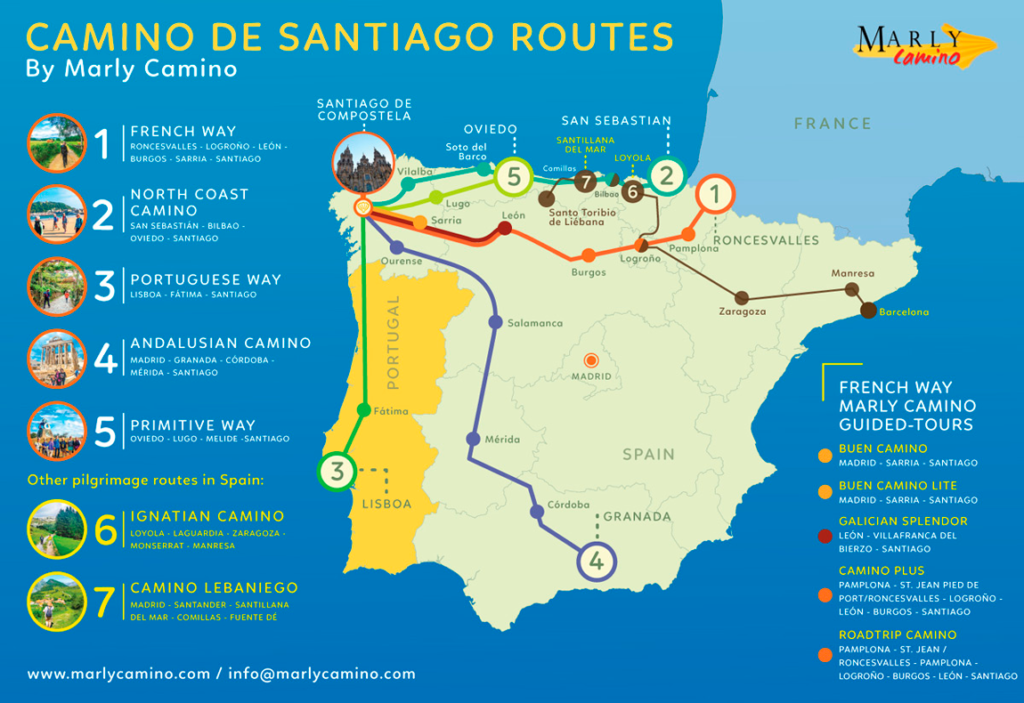
During the following days, activities will take place along the Camino route, where students will explore the environment, analyse real-world challenges, and develop innovative ideas connected to sustainability and local development.
The process will continue with idea selection and the development of prototypes using simple and natural materials, turning learning into a hands-on and practical experience.
The training will conclude with project presentations, enabling feedback, reflection, and evaluation of outcomes.
This activity is expected to contribute to:
- strengthening critical and creative thinking
- applying innovative methodologies in practice
- enhancing international collaboration
- connecting education with real-life challenges
Ultimately, this training goes beyond a traditional learning activity — it functions as an open innovation lab, where students learn by doing and co-creating real solutions.
Disclaimer

Funded by the European Union. Views and opinions expressed are however those of the author(s) only and do not necessarily reflect those of the European Union or the European Education and Culture Executive Agency (EACEA). Neither the European Union nor EACEA can be held responsible for them