Author name: EmpowerVET Admin

Project News & Events

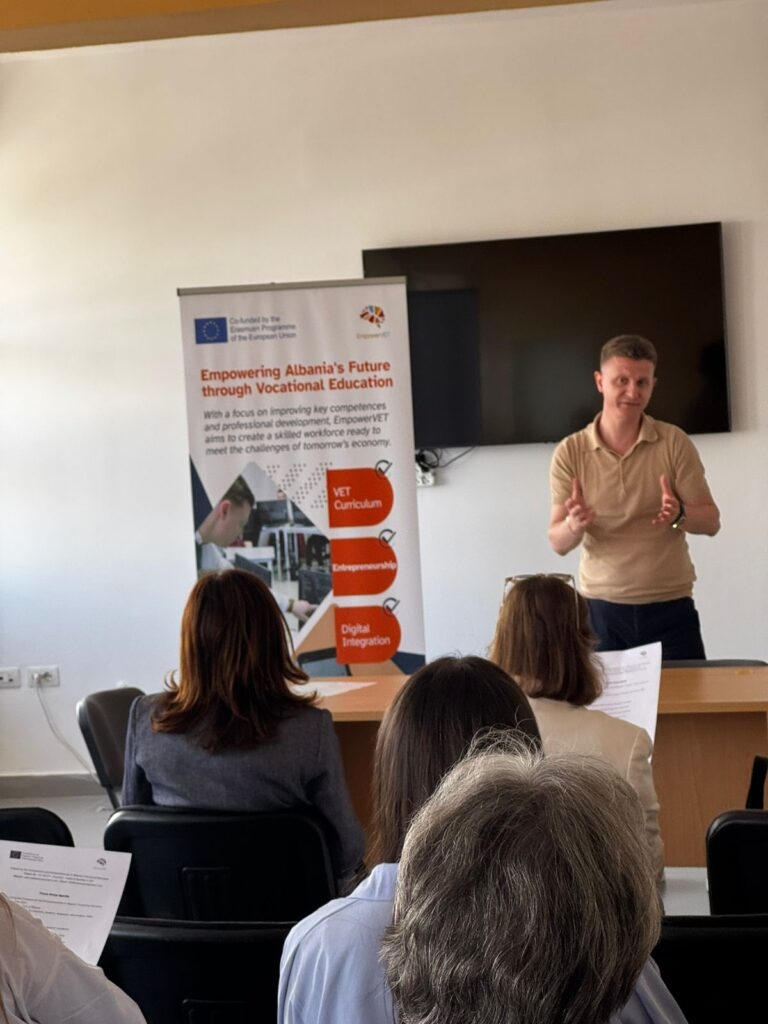
EmpowerVET Marks 18 Months of Progress in Strengthening Entrepreneurship and Key Competences in VET

The EmpowerVET project is proud to celebrate its first 18 months of implementation, marked by significant achievements in promoting entrepreneurship, innovation, and competence-oriented learning within vocational education and training (VET). Funded through the Erasmus+ Capacity Building in Vocational Education and Training programme, EmpowerVET brings together partners from Albania, Germany, and Spain with the shared goal of enhancing key competences and entrepreneurial skills among learners, teachers, and vocational education institutions. Since its launch, the project has successfully completed a series of important activities designed to create a modern and learner-centred educational framework. The journey began with the Kick-Off Meeting in Essen, Germany, where project partners established the implementation roadmap, management procedures, and quality assurance mechanisms that continue to guide the project today. A comprehensive context analysis was subsequently carried out to assess the needs and opportunities within the Albanian VET sector. The findings contributed to the development of the EmpowerVET Learning Framework and Learning Pathway, which provide educators with innovative methodologies for integrating entrepreneurship, sustainability, creativity, and problem-solving into vocational education. International cooperation has played a central role throughout the project. Partners participated in a Study Visit in O Porriño, Spain, where they explored good practices in competence-oriented education and entrepreneurship training. This was followed by the international Train-the-Trainers programme in Göttingen, Germany, where educators strengthened their skills in project-based learning, competence validation, and innovative teaching approaches. One of the most impactful milestones was the international student training programme held in O Porriño and along the Camino de Santiago, Spain. Students engaged in collaborative learning experiences focused on entrepreneurship, sustainability, teamwork, intercultural dialogue, and personal development, demonstrating the transformative potential of experiential learning. Alongside these activities, the consortium developed a comprehensive set of educational resources, including learning modules, teaching materials, competence validation tools, and assessment methodologies. These resources are currently being piloted and adapted within partner institutions to ensure their effectiveness and long-term sustainability. The project has also maintained an active dissemination strategy through newsletters, social media campaigns, stakeholder engagement activities, local events, and regular website updates, ensuring that project results reach educators, learners, policymakers, and the wider community. As EmpowerVET enters its next phase, the partnership will continue implementing pilot activities, evaluating results, and expanding the impact of its innovative educational approaches. Through collaboration, innovation, and a commitment to quality education, EmpowerVET is helping build a stronger future for vocational education in Albania and beyond. Disclaimer.Co-funded by the European Union. Views and opinions expressed are however those of the author(s) only and do not necessarily reflect those of the European Union or the European Education and Culture Executive Agency (EACEA). Neither the European Union nor EACEA can be held responsible for them.
Project News & Events

Optimising School Mobility through Smart Logistics and Transport Solutions

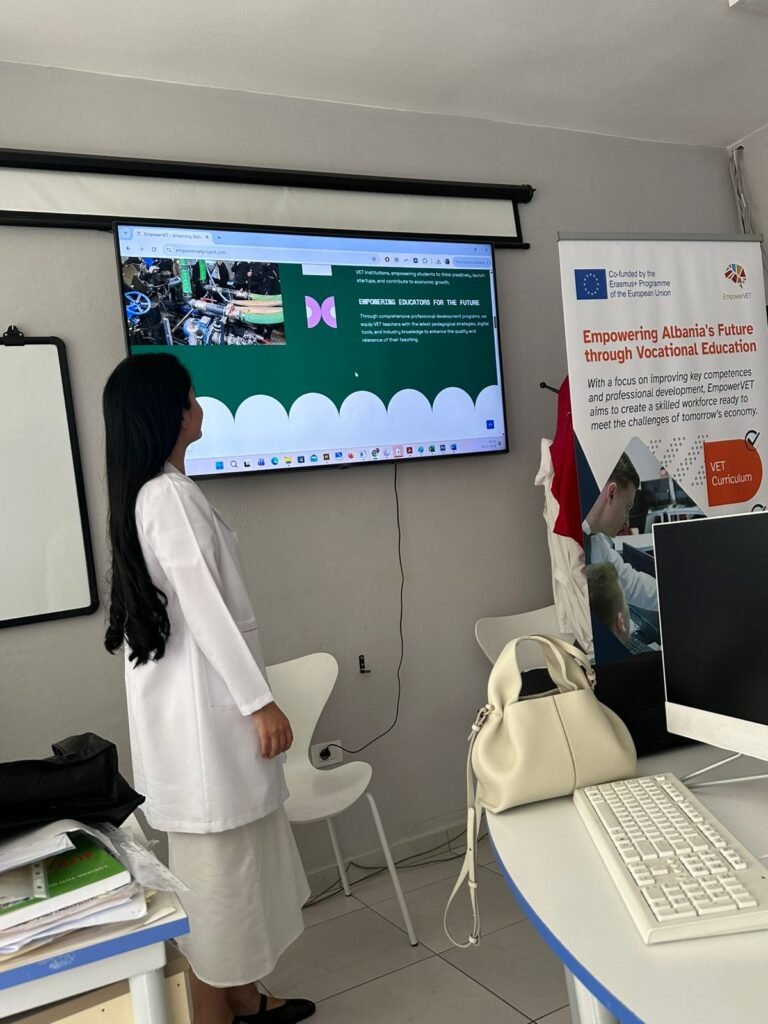
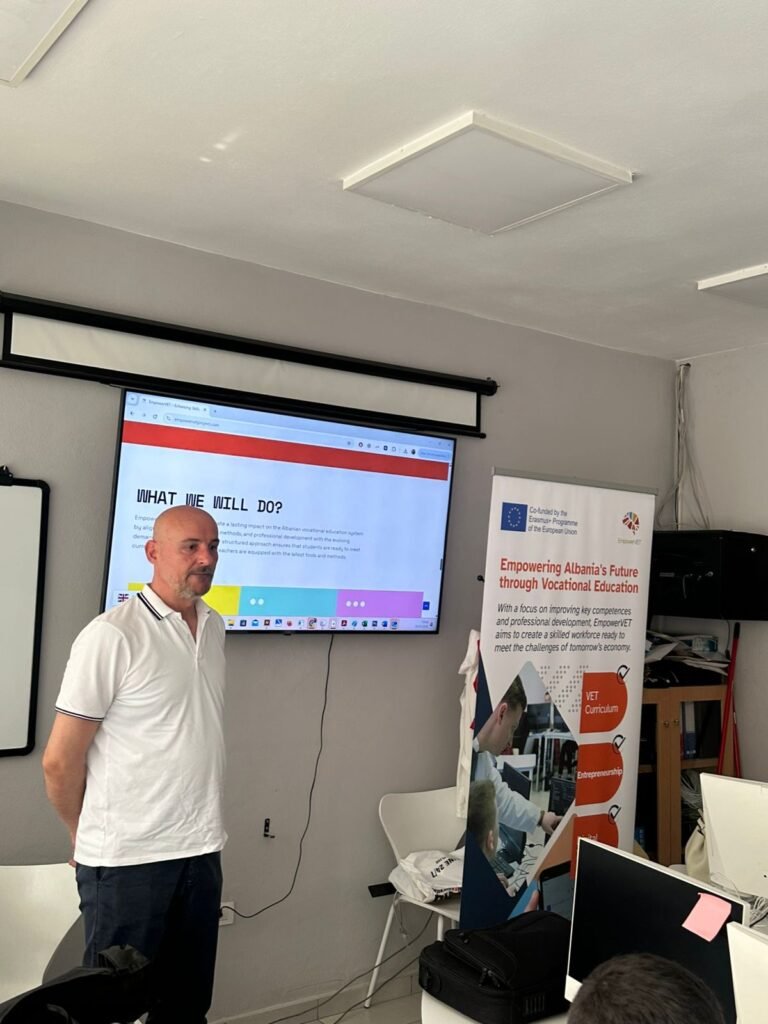
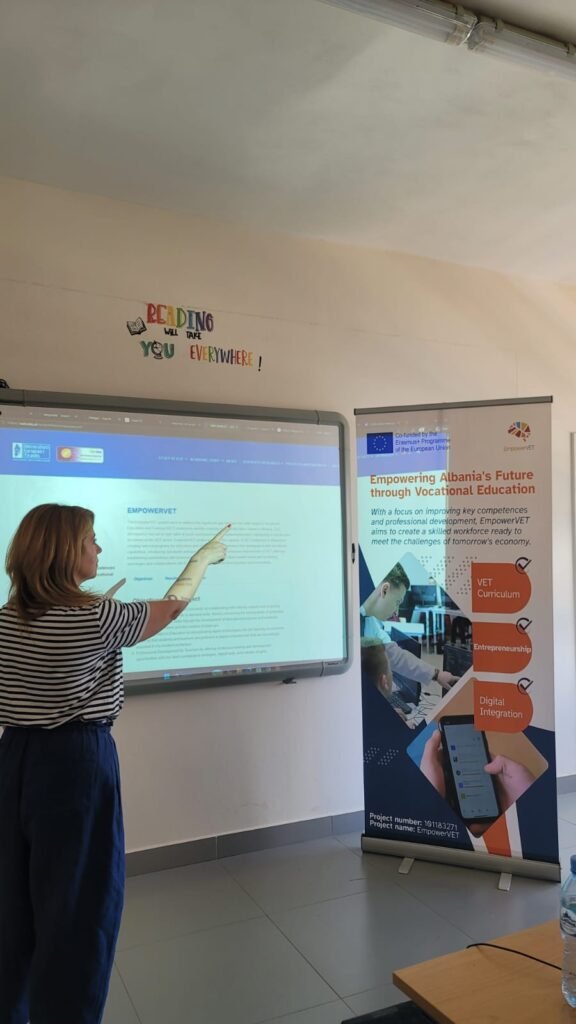
Within the framework of the EmpowerVET project, students from the Vocational School of Elbasan participated in the Smart School Logistics and Transport Optimization Project, a practical learning activity facilitated by teacher Irena Cani. The pilot course encouraged students to investigate transportation and mobility patterns related to their school environment while developing competences in logistics, transport planning, sustainability, and problem-solving. The activity was designed to help students understand how transportation systems influence the daily operation of educational institutions and how smart logistics solutions can improve efficiency, accessibility, and environmental sustainability. By working with real data and real-life situations, students had the opportunity to apply theoretical knowledge in a practical and meaningful context. The project followed the EmpowerVET methodologies of Competence-Oriented Learning and Design Thinking, placing students at the centre of the learning process. Through investigation, collaboration, analysis, and solution development, participants actively engaged in addressing challenges affecting their school community. The pilot course began with an introduction to transportation systems, logistics management, and sustainable mobility. Students explored how people, goods, and services move within and around educational institutions and discussed the impact of transportation choices on the environment, accessibility, and quality of life. The first stage of the project focused on mapping transportation and mobility patterns connected to the school. Students analysed commuting routes used by students and teachers, supply delivery processes, parking conditions, and traffic situations in the surrounding area. This initial mapping exercise helped students gain a better understanding of how transportation systems operate within a real educational environment. The next phase involved collecting data through surveys and observations. Students gathered information from classmates, teachers, and school staff regarding travel distances, transportation methods, travel times, and challenges experienced during daily commuting. This process enabled students to work directly with real data while developing research and communication skills. After collecting the information, students organised and analysed the results to identify key mobility and transportation issues. They examined traffic congestion periods, parking challenges, accessibility concerns, and environmental impacts associated with existing transportation patterns. Through collaborative discussions, students explored the causes of these issues and evaluated their effects on the school community. Using Design Thinking techniques, the teams then moved into the innovation phase. Students generated ideas and developed practical solutions aimed at improving mobility and transport efficiency. Proposed initiatives included student carpooling systems, school bicycle programmes, optimized transport routes, improved parking management strategies, and awareness campaigns promoting sustainable mobility. The activity concluded with the presentation of Smart Transport Plans for the School Area. Each team presented its findings, explained the identified challenges, and proposed recommendations supported by collected data and analysis. Students demonstrated strong communication skills and an ability to connect transportation planning with sustainability objectives. Throughout the project, participants developed valuable competences in logistics thinking, transport planning, data analysis, teamwork, communication, critical thinking, and problem-solving. They also gained a deeper understanding of how transportation systems can contribute to more sustainable and efficient communities. The Smart School Logistics and Transport Optimization Project demonstrated how EmpowerVET methodologies can successfully support vocational education through real-world learning experiences. By combining Competence-Oriented Learning and Design Thinking, students were able to investigate challenges, develop innovative solutions, and contribute ideas that support smarter and more sustainable mobility practices. This pilot activity represents another successful example of transferring EmpowerVET approaches into the Albanian VET sector and empowering students to become active contributors to sustainable development and innovation. Disclaimer Funded by the European Union. Views and opinions expressed are however those of the author(s) only and do not necessarily reflect those of the European Union or the European Education and Culture Executive Agency (EACEA). Neither the European Union nor EACEA can be held responsible for them.
Project News & Events

Students Explore Sustainable Mobility through the Urban Mobility Monitoring and Sustainability Challenge

As part of the EmpowerVET project, students from the Vocational School of Elbasan participated in the Urban Mobility Monitoring and Sustainability Challenge, a practical learning activity designed and facilitated by teacher Gentjan Biçaku. The pilot course provided students with the opportunity to investigate real mobility challenges in their local environment while developing important competences related to sustainability, environmental awareness, research, and problem-solving. The activity was inspired by real experiences from mobility monitoring initiatives implemented in Elbasan and aimed to connect classroom learning with everyday challenges affecting the community. Through a combination of field research, teamwork, data analysis, and solution development, students explored how transportation systems influence safety, accessibility, and environmental sustainability. The pilot course was implemented using the EmpowerVET methodologies of Competence-Oriented Learning and Design Thinking. These approaches encourage students to become active participants in the learning process by investigating problems, collecting evidence, developing solutions, and reflecting on their learning experience. The challenge began with an introduction to sustainable mobility and environmental impacts of transportation. Students learned about urban mobility, traffic congestion, accessibility barriers, environmental pollution, and the importance of sustainable transport solutions for modern communities. Discussions focused on how mobility choices affect quality of life and contribute to broader sustainability goals. Following the introductory sessions, students conducted field observations around the school area. Working in teams, they monitored traffic flows at different times of the day and collected information about vehicles, pedestrians, bicycles, public transport, and traffic conditions. Students also observed accessibility barriers, road-user behaviour, and environmental factors that could affect mobility and safety. The field activities allowed students to experience research in a real-world context. They used observation sheets, photographs, videos, and simple traffic counting methods to document their findings. Through direct observation, students gained a deeper understanding of mobility challenges that often go unnoticed in everyday life. After collecting the data, students analysed their findings and identified the most important mobility issues affecting the school environment. They discussed safety concerns, accessibility limitations, traffic congestion points, and environmental impacts associated with current mobility patterns. Using Design Thinking techniques, the teams then moved into the solution development phase. Students brainstormed practical ideas aimed at improving mobility conditions around the school. Their proposals included safer pedestrian routes, bicycle parking facilities, awareness campaigns promoting sustainable transport, and measures to improve traffic safety and accessibility. The activity concluded with a final presentation event where each team presented its Mobility Improvement Proposal. Students shared their observations, supported their conclusions with collected data, and explained the benefits of their proposed solutions. The presentations demonstrated strong engagement, critical thinking, and a growing understanding of sustainable mobility principles. Throughout the challenge, students developed valuable competences including environmental analysis, field research, teamwork, communication, critical thinking, sustainability awareness, and problem-solving. More importantly, they learned how evidence-based decision-making can contribute to positive changes within their communities. The Urban Mobility Monitoring and Sustainability Challenge demonstrated how vocational education can successfully connect learning with real-life environmental issues. By applying EmpowerVET methodologies in a practical context, students became active investigators and solution designers, contributing ideas that support safer and more sustainable communities. This pilot activity represents an important step in transferring EmpowerVET approaches into the Albanian VET sector while promoting sustainability, active citizenship, and innovation among young learners. Disclaimer Funded by the European Union. Views and opinions expressed are however those of the author(s) only and do not necessarily reflect those of the European Union or the European Education and Culture Executive Agency (EACEA). Neither the European Union nor EACEA can be held responsible for them.
Capacity Building & Training, Digital Transformation in VET, Entrepreneurship & Sustainable Skills, Project News & Events

Empowering Future Entrepreneurs through Design Thinking and Competence-Oriented Learning

At the Vocational School of Elbasan, students recently participated in the Student Startup and Entrepreneurship Challenge, a pilot learning activity implemented within the EmpowerVET project. Led by teacher Aida Tabaku, the activity introduced students to entrepreneurship, innovation, and creative problem-solving through an engaging and practical learning experience. The challenge brought together 12 students who worked in teams to explore real problems affecting their school and local community. Rather than focusing only on theoretical concepts, students were encouraged to actively investigate challenges, generate ideas, and develop innovative solutions that could create value for others. The activity was designed using the EmpowerVET methodologies of Competence-Oriented Learning and Design Thinking. These approaches place students at the centre of the learning process and encourage them to learn through experience, collaboration, reflection, and practical application of knowledge. The pilot course started with an introduction to entrepreneurship and innovation. Students learned how successful business ideas often emerge from everyday problems and unmet needs. Through discussions and group activities, they explored issues related to school services, environmental sustainability, student needs, and opportunities within their local community. Once the problems had been identified, students moved to the idea-generation phase. Using Design Thinking techniques such as brainstorming and collaborative discussions, they developed a variety of entrepreneurial concepts. The proposed ideas included eco-friendly school products, digital services for students, school-based initiatives, and tourism-related services. The next step focused on transforming ideas into business concepts. Students defined their products or services, identified target customers, discussed value propositions, and explored basic pricing and marketing approaches. Working together in teams allowed participants to exchange ideas, improve their concepts, and strengthen their communication and teamwork skills. The activity concluded with a Startup Pitch Event, where each team presented its entrepreneurial idea. Students confidently explained the problems they had identified, the solutions they proposed, and the potential impact of their business concepts. The presentations demonstrated not only creativity and innovation but also a growing understanding of entrepreneurship and customer-oriented thinking. Throughout the challenge, students developed a wide range of competences, including entrepreneurial thinking, creativity, communication, teamwork, problem-solving, and basic business planning. More importantly, they learned that innovation starts with understanding people’s needs and having the courage to turn ideas into action. The Student Startup and Entrepreneurship Challenge demonstrated how EmpowerVET methodologies can successfully support entrepreneurship education in vocational schools. By combining Design Thinking with Competence-Oriented Learning, students were able to develop practical skills, gain confidence, and experience a learning journey that connected education with real-life opportunities. This pilot activity represents another important step in transferring EmpowerVET approaches into the Albanian VET sector and empowering young people to become active, creative, and entrepreneurial citizens. Disclaimer Funded by the European Union. Views and opinions expressed are however those of the author(s) only and do not necessarily reflect those of the European Union or the European Education and Culture Executive Agency (EACEA). Neither the European Union nor EACEA can be held responsible for them.
Project News & Events

EmpowerVET Reaches Local Communities at the Shebenik National Park Festival

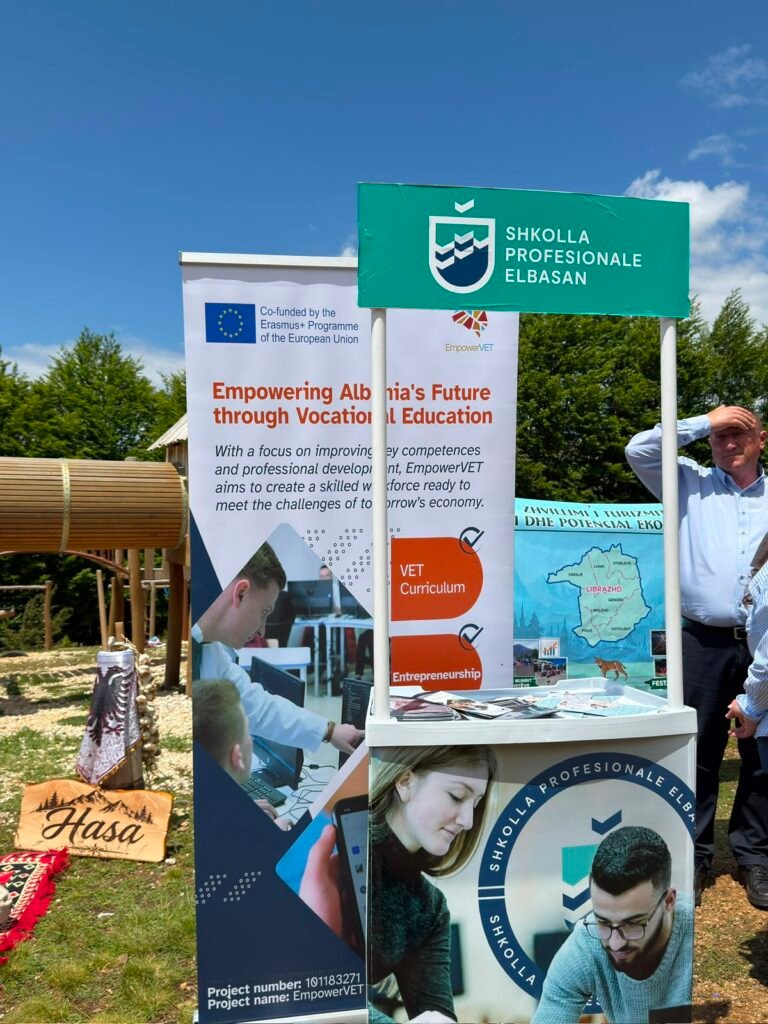
The EmpowerVET project was proudly promoted during the celebration of the 18th anniversary of the declaration of Shebenik National Park, one of Albania’s most valuable natural treasures. The local festival, held in Fushë Studën, brought together citizens, students, families, local institutions, businesses, and visitors to celebrate the natural, cultural, and economic importance of the region. As part of the event, the promotion team from the Professional School of Elbasan actively engaged with participants, presenting the opportunities offered by vocational education and training (VET) and sharing the objectives and achievements of the EmpowerVET project. The school was represented by Deputy Director Juljan Kasapi, Director Leonidha Haxhinikolla, and members of the teaching staff, who met with local residents, young people, parents, and stakeholders attending the fair and festivities. Through direct discussions and information-sharing activities, participants learned about the benefits of vocational education, work-based learning opportunities, and the innovative learning approaches developed through the EmpowerVET project. The dissemination activity focused on raising awareness about the project’s mission to strengthen vocational education by promoting modern teaching methodologies, competence-oriented learning, validation of skills, and innovative educational practices. Visitors were introduced to the project’s training opportunities and the international cooperation that supports the development of high-quality vocational education across Europe. The festival provided an excellent environment for reaching a diverse audience and encouraging young people from rural and mountainous areas to explore vocational pathways that can lead to employment, entrepreneurship, and lifelong learning opportunities. Discussions highlighted the growing importance of skilled professionals in sectors such as tourism, hospitality, information technology, construction, and technical trades—areas that are particularly relevant for the sustainable development of local communities. By participating in community events such as the Shebenik National Park celebration, the Professional School of Elbasan continues to strengthen its connection with local stakeholders while ensuring that the results and opportunities created through EmpowerVET reach a wider audience. Such dissemination activities contribute to increasing the visibility of Erasmus+ initiatives and demonstrate how European cooperation can support education, innovation, and regional development. The event once again confirmed that bringing education closer to communities is essential for inspiring future generations and creating pathways toward a more skilled, inclusive, and prosperous society. EmpowerVET – Empowering Vocational Education Through Innovation, Cooperation, and Skills Development. Disclaimer Funded by the European Union. Views and opinions expressed are however those of the author(s) only and do not necessarily reflect those of the European Union or the European Education and Culture Executive Agency (EACEA). Neither the European Union nor EACEA can be held responsible for them.

Design Thinking
Capacity Building & Training, Entrepreneurship & Sustainable Skills, Project News & Events

Design Thinking and the Future of Vocational Education in EmpowerVET

mostbet casino mostbet casino pinup aze pinko casino pinap pinup mosbet az snai casino pin up mostbet kz mostbet casino mostbet casino pinap pinco casino mostbet Modern vocational education is evolving rapidly, requiring students to develop not only technical knowledge but also creativity, adaptability, communication, and problem-solving skills. In this context, Design Thinking has become an important methodology for creating more engaging, learner-centred, and practical learning experiences. Within EmpowerVET, Design Thinking is used as a dynamic approach that encourages students to actively participate in the learning process. Instead of focusing only on theoretical concepts, learners work together to identify challenges, analyse situations, develop ideas, and test practical solutions through teamwork and reflection. This methodology allows students to experience education in a more interactive and meaningful way. By working on real-life scenarios and collaborative activities, participants improve their ability to think critically, communicate effectively, and adapt to changing environments. These are essential competences not only for the labour market, but also for personal and professional growth. One of the key strengths of Design Thinking is its human-centred approach. Students learn to understand different perspectives, listen actively, and work together to create solutions that respond to real needs. Through brainstorming sessions, group challenges, practical workshops, and experiential learning activities, learners become more confident in expressing ideas and contributing actively within a team. In EmpowerVET, Design Thinking is closely connected with experiential learning methodologies. Activities developed during the project encourage students to learn by doing, reflecting, collaborating, and experimenting. This creates a more motivating educational environment where young people feel empowered and involved in their own learning journey. The methodology also supports the development of entrepreneurial thinking and innovation. Students are encouraged to explore creative approaches, test ideas without fear of failure, and improve solutions through continuous feedback and collaboration. These competences are increasingly important in modern vocational education and in rapidly changing labour markets. Furthermore, Design Thinking contributes to strengthening international cooperation and intercultural understanding. Working in multicultural groups helps participants develop openness, empathy, and respect for different ideas and experiences. This international dimension enriches the overall learning experience and supports the development of active European citizenship. Through EmpowerVET, Design Thinking demonstrates how vocational education can become more innovative, practical, and future-oriented. By combining creativity, collaboration, and experiential learning, the project helps prepare students for future careers, lifelong learning, and active participation in society. #EmpowerVET #DesignThinking #ErasmusPlus #VocationalEducation #Innovation #FutureSkills #LearningByDoing #YouthEmpowerment #Education

Project News & Events

EmpowerVET Student Training: Learning Beyond the Classroom through the Camino de Santiago

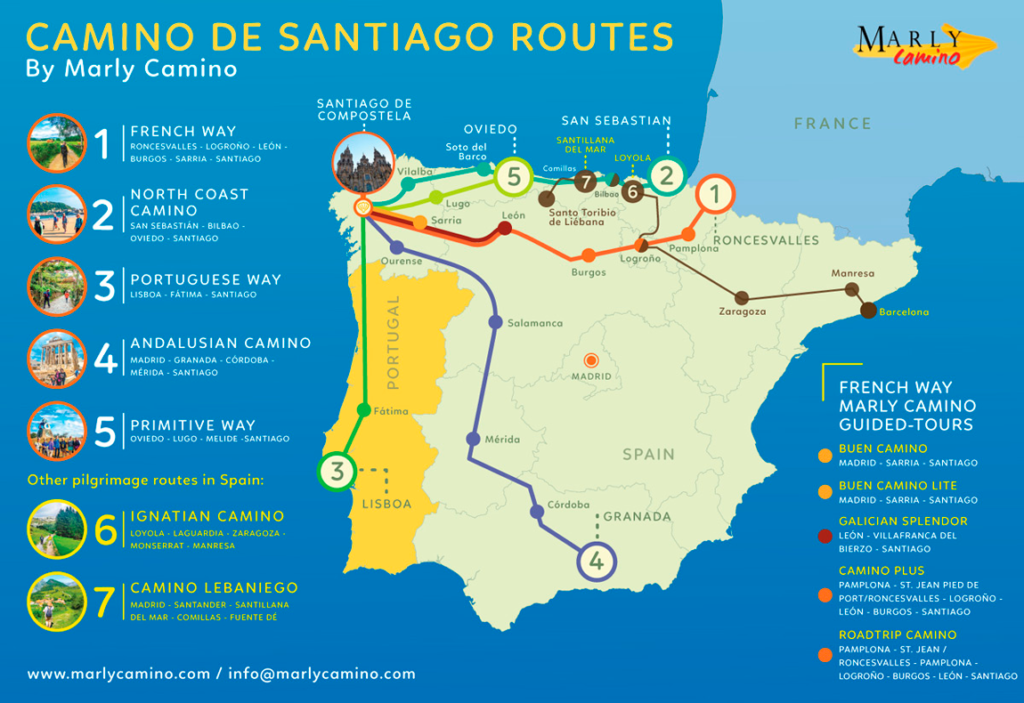
The EmpowerVET project continues to redefine vocational education and training (VET) by integrating innovative, learner-centered methodologies with real-world experiences. One of the most impactful activities within the project was the international student training held in Spain, combining Design Thinking with an immersive journey along the Camino de Santiago. This unique approach transformed a traditional mobility activity into a high-value learning experience, where education moved beyond the classroom into a dynamic, experiential environment. mosbet az mosbet az pinap 4rabet mirror mostbet mostbet uz pinup casino mostbet casino pinup casino mosbet mostbet casino mosbet az mostbet kz pinco casino мостбет кз The training officially began at IES Ribeira do Louro, where students from different countries gathered to engage in team-building and project orientation activities. From the outset, the focus was clear: fostering collaboration, creativity, and problem-solving skills. Students were introduced to the core principles of Design Thinking—empathy, problem definition, ideation, prototyping, and testing—laying the foundation for the entire learning journey. What made this training particularly distinctive was its structure. Instead of limiting activities to a static setting, the programme was designed to unfold along the Camino de Santiago. This strategic decision created a powerful learning ecosystem where participants could connect theory with practice in real-time. As students moved through the different stages of the journey, they simultaneously progressed through the phases of Design Thinking. During the second day, which combined a maritime route and a short walking segment from Vilanova de Arousa to Padrón, students engaged in brainstorming sessions inspired by nature. The surrounding environment was not just a backdrop—it became a catalyst for innovation. Participants were encouraged to observe, reflect, and identify sustainability challenges, generating ideas that were both creative and grounded in real-life contexts. The third day marked a shift from ideation to prototyping. As students continued along the Camino, they began transforming their ideas into tangible concepts. This hands-on approach emphasized rapid experimentation and adaptability. Using simple materials and leveraging the immediate environment, teams developed low-fidelity prototypes, testing assumptions and refining their solutions continuously. This phase demonstrated the value of learning-by-doing, a cornerstone of modern VET systems. Testing and validation took place during the fourth day, as students approached Santiago de Compostela. In a real-world setting, participants presented their ideas informally, gathered feedback, and iterated their solutions. This immediate feedback loop enhanced critical thinking and reinforced the importance of user-centered design. The process not only improved the quality of the outcomes but also strengthened students’ confidence in communicating their ideas effectively. The training concluded with formal project presentations back at the hosting institution. Each team showcased their developed solutions, highlighting the journey from problem identification to validated prototype. The final session included peer feedback and reflection, consolidating the learning outcomes and ensuring knowledge transfer among participants. From a strategic perspective, this activity delivered multiple layers of impact. First, it enhanced students’ transversal skills, including teamwork, communication, and creativity. Second, it strengthened teachers’ capacity to implement innovative pedagogical approaches, as they actively participated as facilitators and observers throughout the process. Third, it contributed to the internationalisation of VET by fostering cross-cultural collaboration and exchange of practices. Moreover, the integration of limited technology use during the activity encouraged participants to disconnect from digital distractions and engage more deeply with the learning process. This intentional design element supported focus, reflection, and authentic interaction—factors often overlooked in traditional training formats. In conclusion, the EmpowerVET student training exemplifies how vocational education can evolve to meet the demands of a rapidly changing world. By combining experiential learning, Design Thinking, and international mobility, the project delivers a scalable model for modern VET systems. The Camino de Santiago was not just a route—it became a learning pathway, where students developed not only professional competences but also a broader mindset oriented towards innovation, sustainability, and collaboration. EmpowerVET continues to demonstrate that when education is designed with purpose and creativity, the results go far beyond expected outcomes. Disclaimer Funded by the European Union. Views and opinions expressed are however those of the author(s) only and do not necessarily reflect those of the European Union or the European Education and Culture Executive Agency (EACEA). Neither the European Union nor EACEA can be held responsible for them.
Capacity Building & Training, Project News & Events

EmpowerVET: International Design Thinking Training along the Camino de Santiago

Within the framework of the EmpowerVET project, from April 20–24, 2026, students and teachers will participate in an international Design Thinking training, taking place along the Camino de Santiago in Spain, hosted by IES Ribeira do Louro. pinup aze pinup casino pinco slot 1win mostbet mostbet casino mosbet casino mostbet mosbet casino kz mosbet mosbet az mostbet snai casino pin up pinup This training is designed as an immersive learning experience, where education takes place in a real-life environment, integrating nature, movement, and reflection into the learning process. The programme is structured around the Design Thinking methodology, guiding participants through its key phases: On the first day, participants will engage in team-building activities, form international teams, and start working on real-life challenges. During the following days, activities will take place along the Camino route, where students will explore the environment, analyse real-world challenges, and develop innovative ideas connected to sustainability and local development. The process will continue with idea selection and the development of prototypes using simple and natural materials, turning learning into a hands-on and practical experience. The training will conclude with project presentations, enabling feedback, reflection, and evaluation of outcomes. This activity is expected to contribute to: Ultimately, this training goes beyond a traditional learning activity — it functions as an open innovation lab, where students learn by doing and co-creating real solutions. Disclaimer Funded by the European Union. Views and opinions expressed are however those of the author(s) only and do not necessarily reflect those of the European Union or the European Education and Culture Executive Agency (EACEA). Neither the European Union nor EACEA can be held responsible for them

Project News & Events

Strengthening Collaboration and Reporting Progress in the EmpowerVET Project

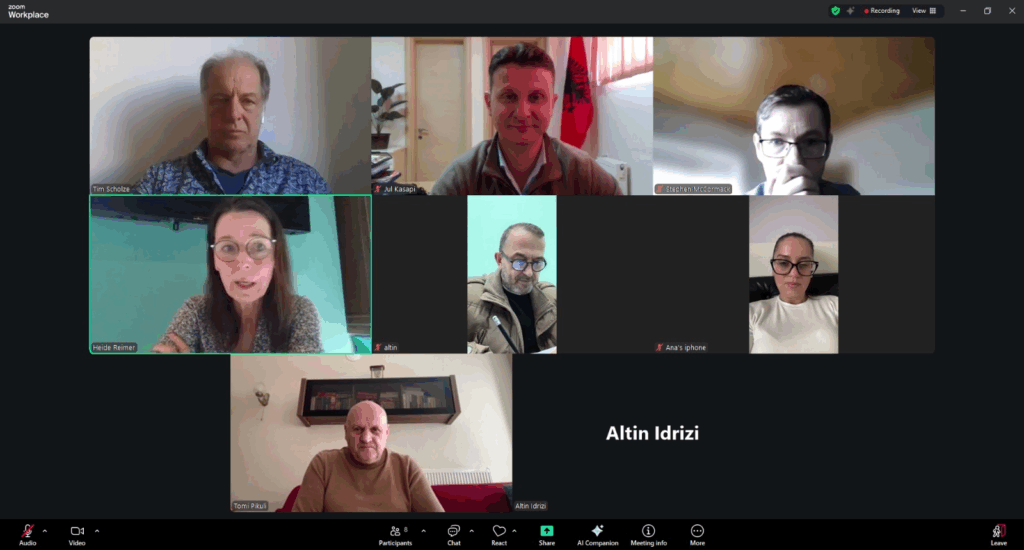
The EmpowerVET partnership continues to advance its mission of strengthening key competences and entrepreneurial skills within vocational education in Albania. Following an intensive period of proposal writing and project activities across the consortium, partners recently held an important coordination meeting to discuss progress and ensure alignment on the next project milestones. The meeting was organized with two primary objectives: to prepare for the upcoming interim report and to review ongoing activities related to student entrepreneurship initiatives and project dissemination. As the reporting deadline approaches, coordination among partners has become particularly important to ensure that all project achievements are properly documented and communicated. mosbet az pinup az farabet casino pinco pin up mostbet pinco mostbet casino mostbet snai bet pin up az mosbet mosbet az pinup mostbet A key topic of discussion during the meeting was dissemination and communication activities carried out by each partner institution. Within Erasmus+ projects, dissemination plays a vital role in ensuring that project results reach a broader audience and contribute to systemic impact. Each partner is expected to conduct at least two dissemination activities during the reporting period. These activities may include internal meetings, presentations to colleagues or students, networking events, or any opportunity where the project was introduced or discussed. Partners were reminded to document each activity clearly using the provided reporting template. For each event or communication action, a short description in bullet points should outline what took place, who participated, and how the EmpowerVET project was presented. These reports will form part of the official project documentation submitted to the European Commission. In addition to dissemination reporting, the consortium also discussed the planning of upcoming project activities. Particular attention was given to the organization of the course for Albanian students that will take place in Spain. This mobility activity is expected to play a significant role in strengthening entrepreneurial learning and international exposure for participating students. Another important discussion point was the status of pilot entrepreneurship projects currently being implemented in Albania. These initiatives aim to encourage students to develop innovative ideas and practical business concepts as part of the EmpowerVET learning approach. Partners were invited to share updates on the development of these activities and to present examples of ongoing work within their institutions. The EmpowerVET project places strong emphasis on innovative teaching methodologies, international cooperation, and practical learning experiences. Earlier activities within the project, including the Train-the-Trainers course in Göttingen, Germany, introduced educators to entrepreneurship education and collaborative problem-solving approaches designed for vocational education environments. As the project moves forward, continued collaboration among partners will remain essential to ensure high-quality implementation and meaningful impact. Through regular coordination meetings, transparent reporting, and active dissemination, the consortium aims to maximize the value of the EmpowerVET initiative for students, teachers, and vocational education institutions across the region. The upcoming reporting period will be an important opportunity to highlight the achievements of the partnership and demonstrate how EmpowerVET is contributing to the development of entrepreneurial skills and innovative learning practices within vocational education. Funded by the European Union. Views and opinions expressed are however those of the author(s) only and do not necessarily reflect those of the European Union or the European Education and Culture Executive Agency (EACEA). Neither the European Union nor EACEA can be held responsible for them.
Project News & Events

Communication Activities: Driving Visibility, Engagement, and Impact Across the Project Lifecycle

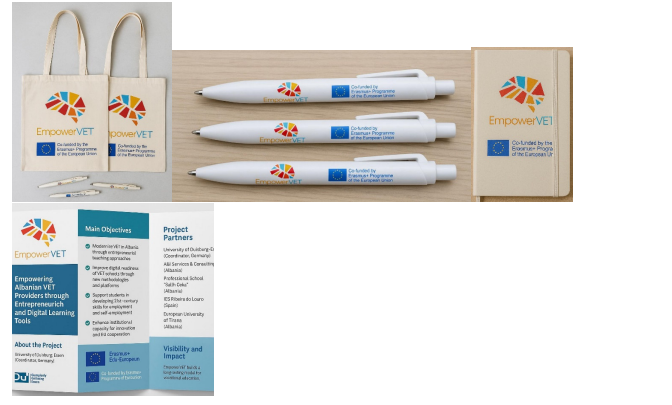
Effective communication is not a peripheral activity in an Erasmus+ project—it is a core delivery mechanism that directly influences impact, sustainability, and stakeholder uptake. The Communication Activities deliverable has been designed as a structured, results-oriented framework that ensures project achievements are visible, understandable, and reusable by all relevant audiences, from learners and educators to policymakers and industry partners. From the outset, communication activities have been strategically aligned with the project’s objectives and target groups. The project website serves as the central information hub, continuously updated with key deliverables, news, events, and results. It functions not only as a repository of outputs but as a living platform that demonstrates progress, transparency, and EU added value over time. pinup 4rabet mirror pinap pinko casino mostbet mostbet pinco slot mosbet kz mosbet az mosbet az mostbet casino pin up casino pin up az pin up snaibet Complementing the website, social media channels (Facebook, LinkedIn, Instagram) are actively used to amplify reach and engagement. These channels enable the timely dissemination of milestones, training activities, events, and success stories while also fostering two-way interaction with the wider community. Content is adapted to each platform to maximize visibility, relevance, and user engagement. A strong visual identity underpins all communication actions. Logos, templates, promotional materials, and branded content ensure consistency and professional presentation across digital and physical channels. This coherent branding strengthens project recognition and reinforces credibility among stakeholders and institutions. Newsletters and press-oriented content further extend outreach. Periodic newsletters consolidate achievements, highlight progress, and provide concise updates to stakeholders, while blog articles and media publications translate technical outputs into accessible narratives for broader audiences. These tools support both the dissemination and exploitation of results. Face-to-face dissemination remains equally critical. Events with students, teachers, enterprises, and institutional actors enable direct knowledge transfer, validation of results, and meaningful stakeholder engagement. These interactions ensure that project outputs respond to real needs and are embedded in practice. In parallel, targeted policy communication ensures that results reach decision-makers and relevant authorities, supporting long-term sustainability and potential scaling at the system level. In summary, the Communication Activities deliverable demonstrates a proactive, multi-channel, and impact-driven approach. It ensures that project results do not remain static outputs, but become visible assets that inform practice, influence policy, and create lasting value well beyond the project duration. Funded by the European Union. Views and opinions expressed are however those of the author(s) only and do not necessarily reflect those of the European Union or the European Education and Culture Executive Agency (EACEA). Neither the European Union nor EACEA can be held responsible for them.
Interested in learning more?

Copyright © 2025 EmpowerVET

Project number: 101183271
Project name: EmpowerVET

Funded by the European Union

Funded by the European Union. Views and opinions expressed are however those of the author(s) only and do not necessarily reflect those of the European Union or the European Education and Culture Executive Agency (EACEA). Neither the European Union nor EACEA can be held responsible for them.

Creative Commons Attribution-ShareAlike 4.0 International
Scroll to Top