
Within the framework of the EmpowerVET project, students from the Vocational School of Elbasan participated in the Smart School Logistics and Transport Optimization Project, a practical learning activity facilitated by teacher Irena Cani. The pilot course encouraged students to investigate transportation and mobility patterns related to their school environment while developing competences in logistics, transport planning, sustainability, and problem-solving.
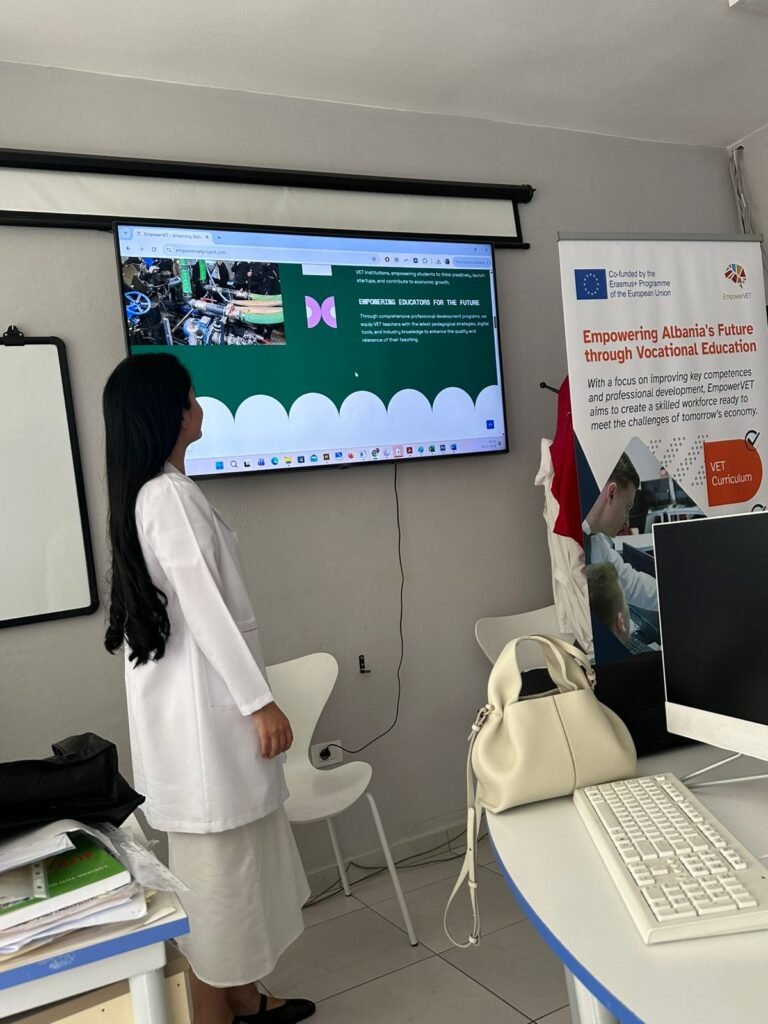
The activity was designed to help students understand how transportation systems influence the daily operation of educational institutions and how smart logistics solutions can improve efficiency, accessibility, and environmental sustainability. By working with real data and real-life situations, students had the opportunity to apply theoretical knowledge in a practical and meaningful context.
The project followed the EmpowerVET methodologies of Competence-Oriented Learning and Design Thinking, placing students at the centre of the learning process. Through investigation, collaboration, analysis, and solution development, participants actively engaged in addressing challenges affecting their school community.
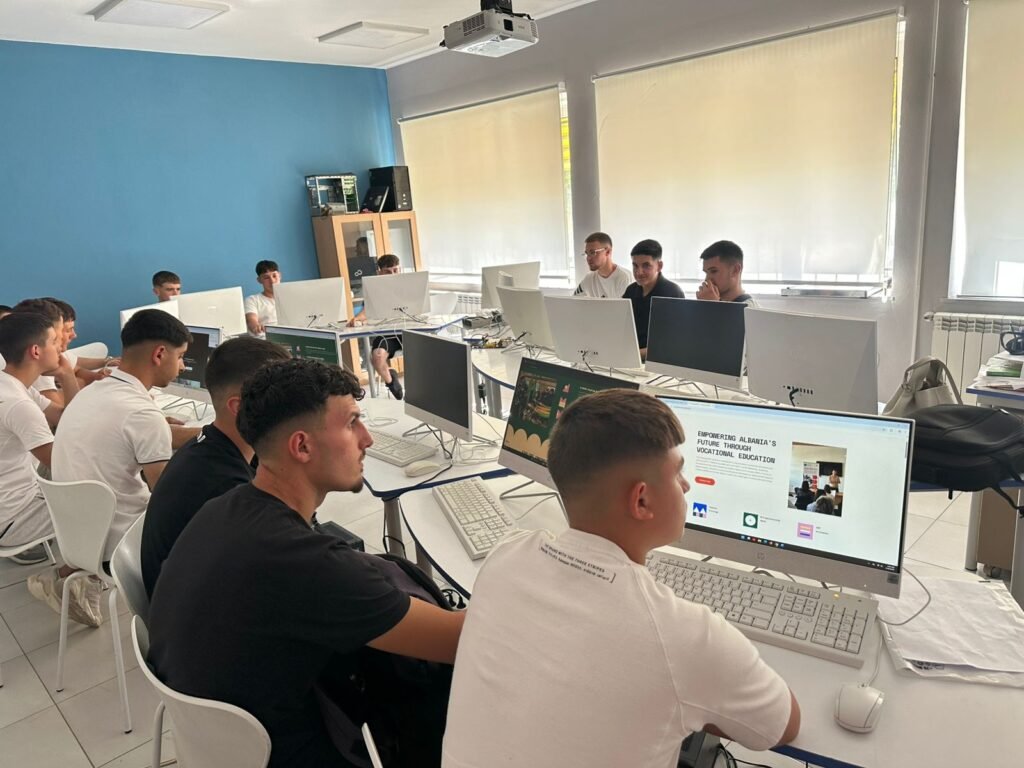
The pilot course began with an introduction to transportation systems, logistics management, and sustainable mobility. Students explored how people, goods, and services move within and around educational institutions and discussed the impact of transportation choices on the environment, accessibility, and quality of life.
The first stage of the project focused on mapping transportation and mobility patterns connected to the school. Students analysed commuting routes used by students and teachers, supply delivery processes, parking conditions, and traffic situations in the surrounding area. This initial mapping exercise helped students gain a better understanding of how transportation systems operate within a real educational environment.
The next phase involved collecting data through surveys and observations. Students gathered information from classmates, teachers, and school staff regarding travel distances, transportation methods, travel times, and challenges experienced during daily commuting. This process enabled students to work directly with real data while developing research and communication skills.
After collecting the information, students organised and analysed the results to identify key mobility and transportation issues. They examined traffic congestion periods, parking challenges, accessibility concerns, and environmental impacts associated with existing transportation patterns. Through collaborative discussions, students explored the causes of these issues and evaluated their effects on the school community.
Using Design Thinking techniques, the teams then moved into the innovation phase. Students generated ideas and developed practical solutions aimed at improving mobility and transport efficiency. Proposed initiatives included student carpooling systems, school bicycle programmes, optimized transport routes, improved parking management strategies, and awareness campaigns promoting sustainable mobility.
The activity concluded with the presentation of Smart Transport Plans for the School Area. Each team presented its findings, explained the identified challenges, and proposed recommendations supported by collected data and analysis. Students demonstrated strong communication skills and an ability to connect transportation planning with sustainability objectives.
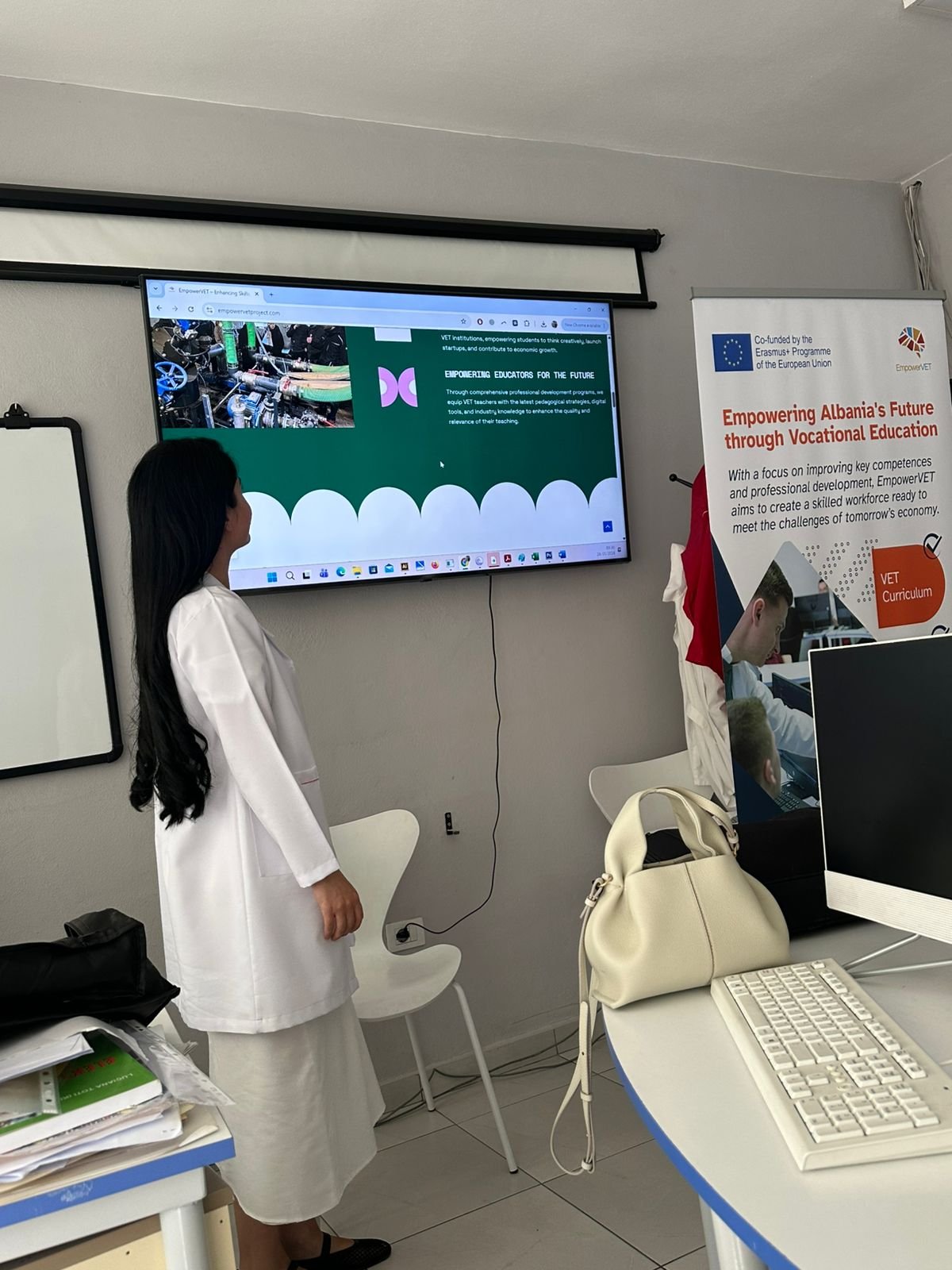
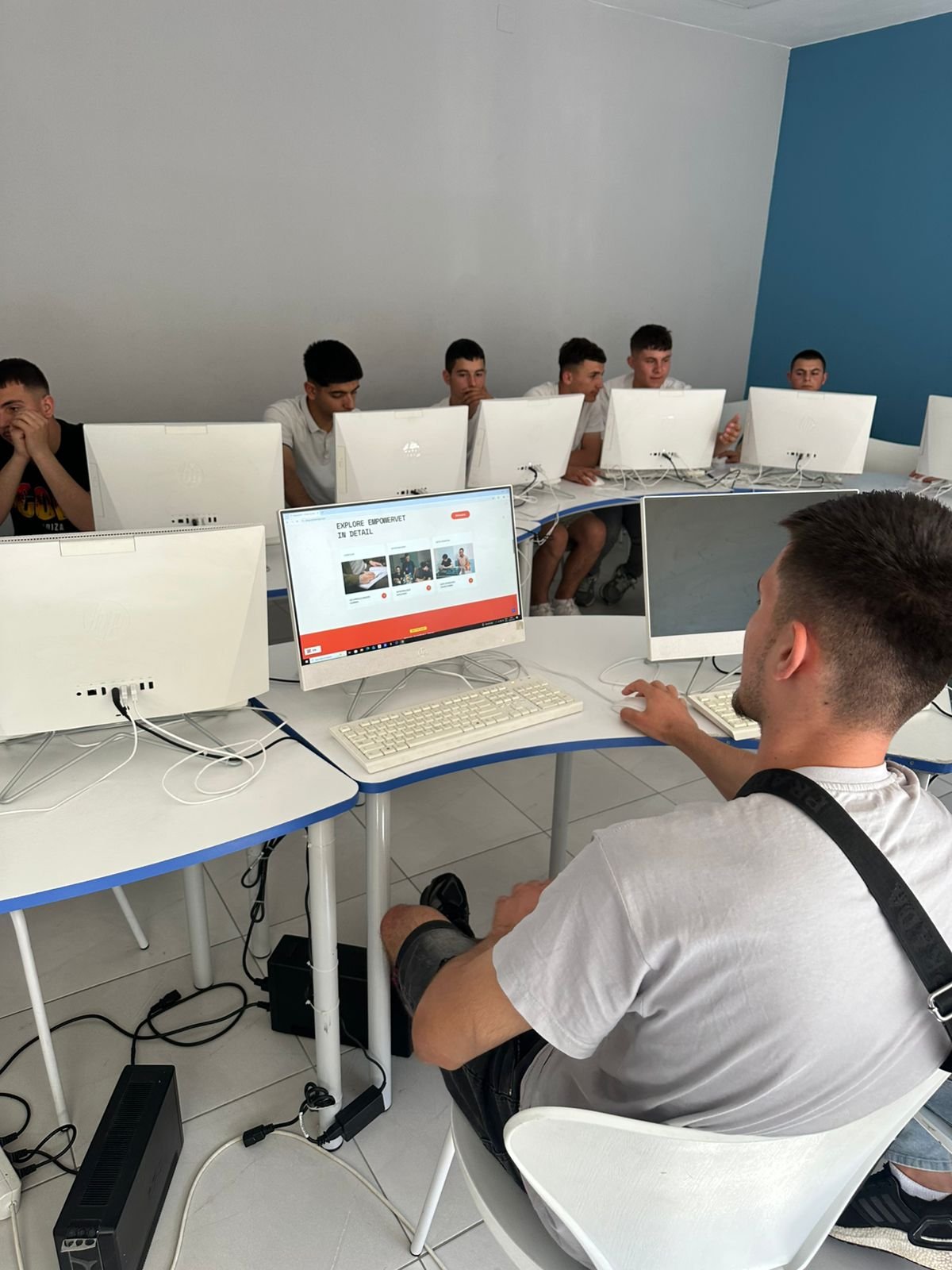
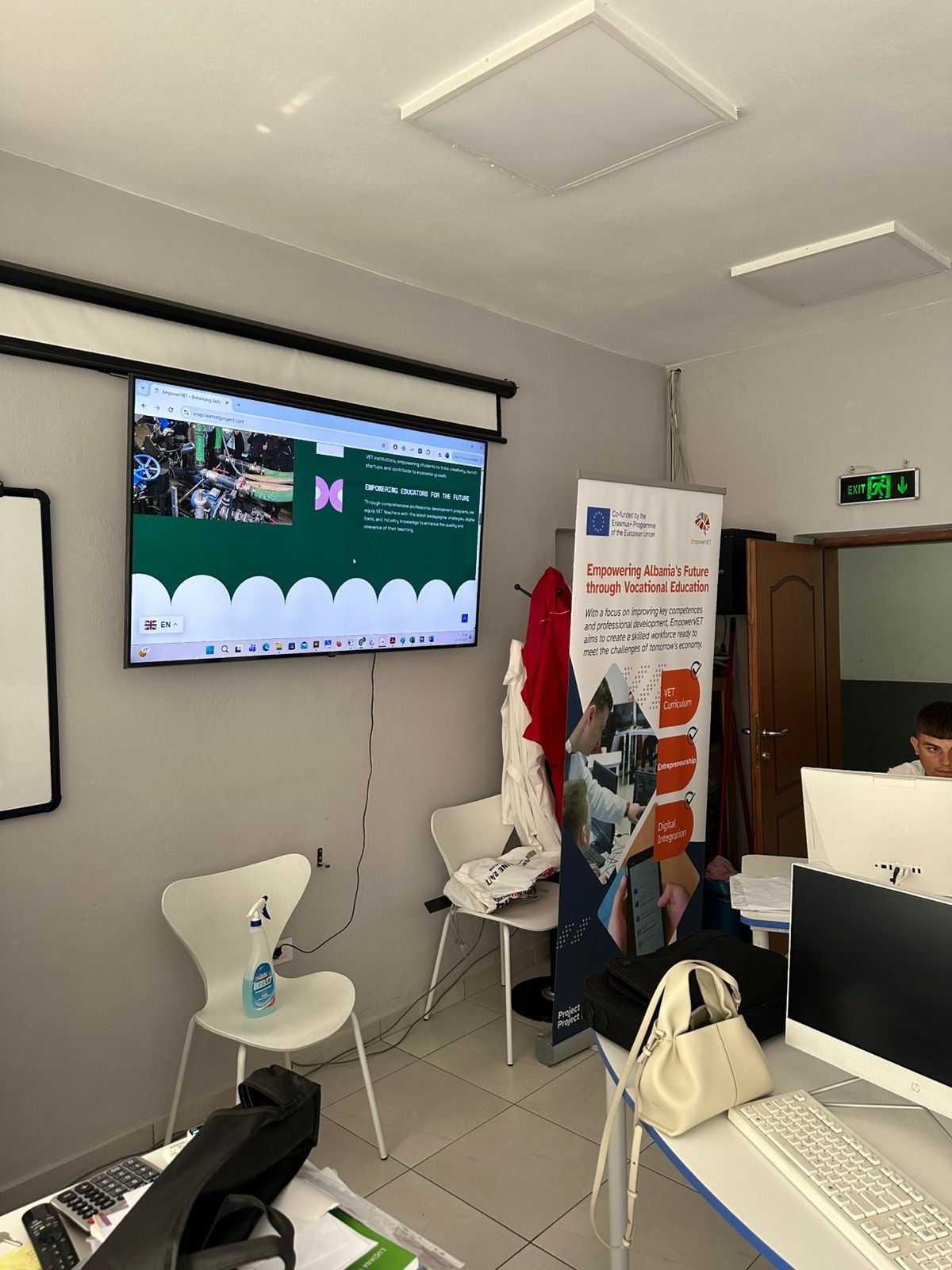
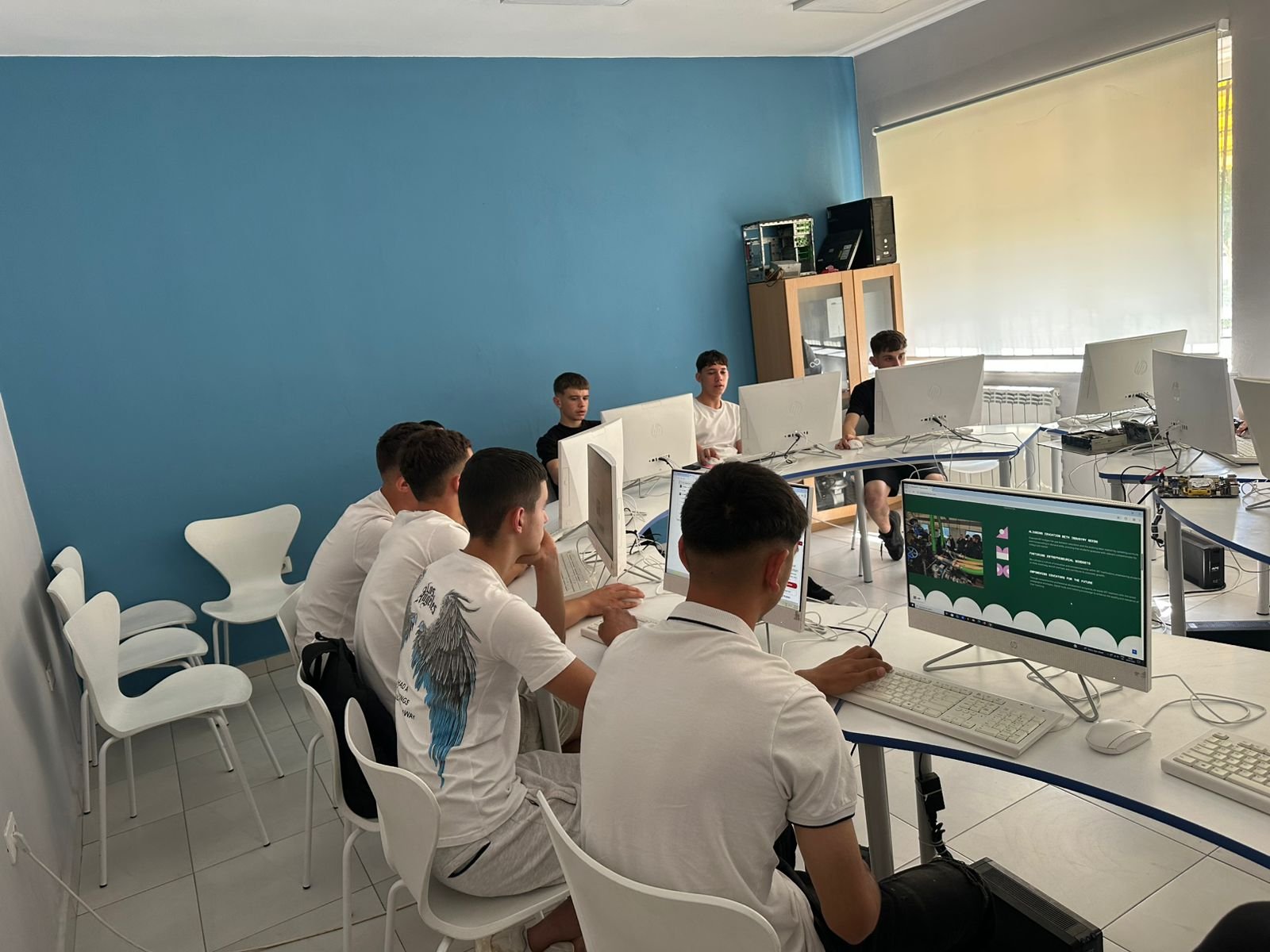
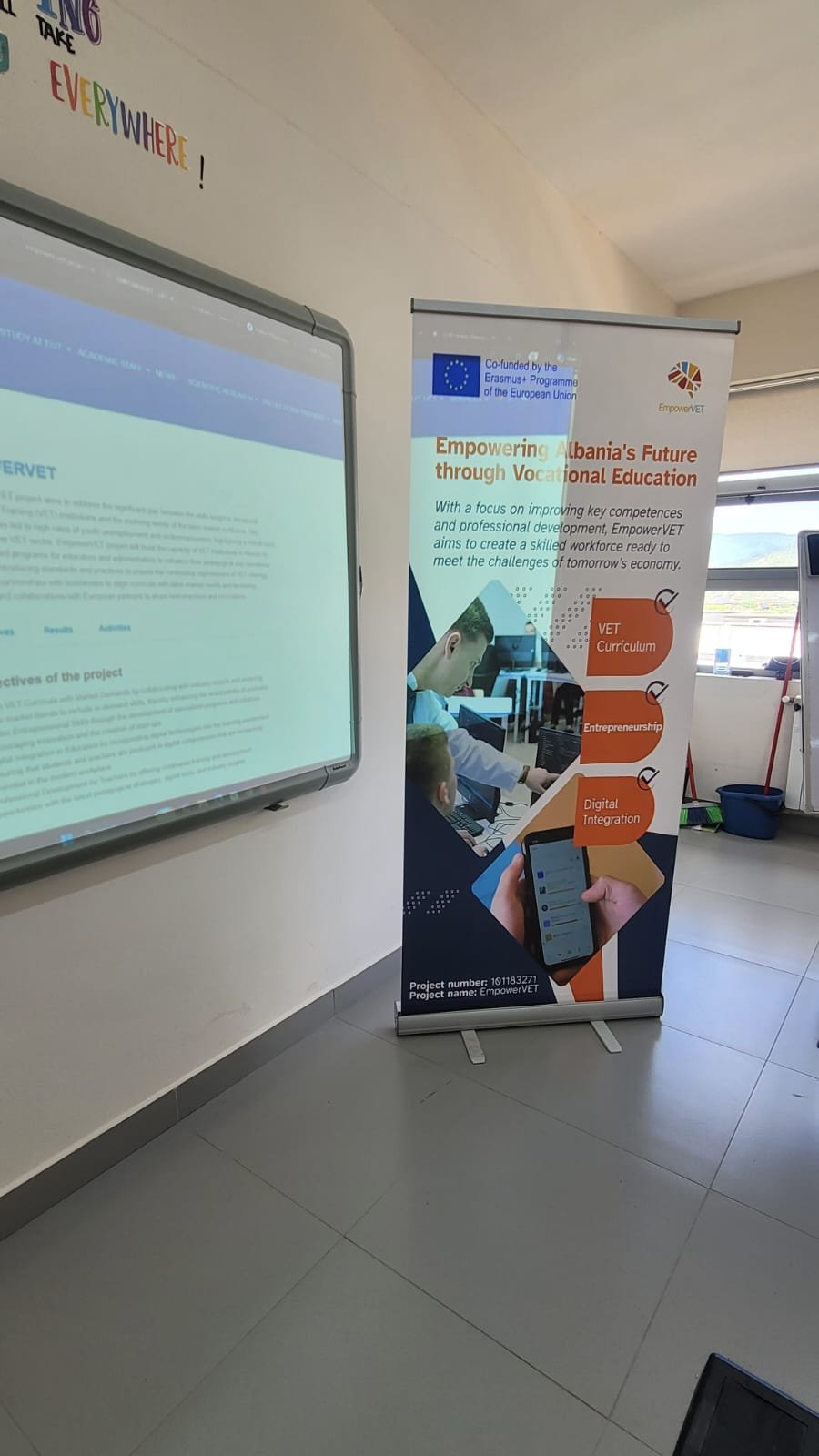
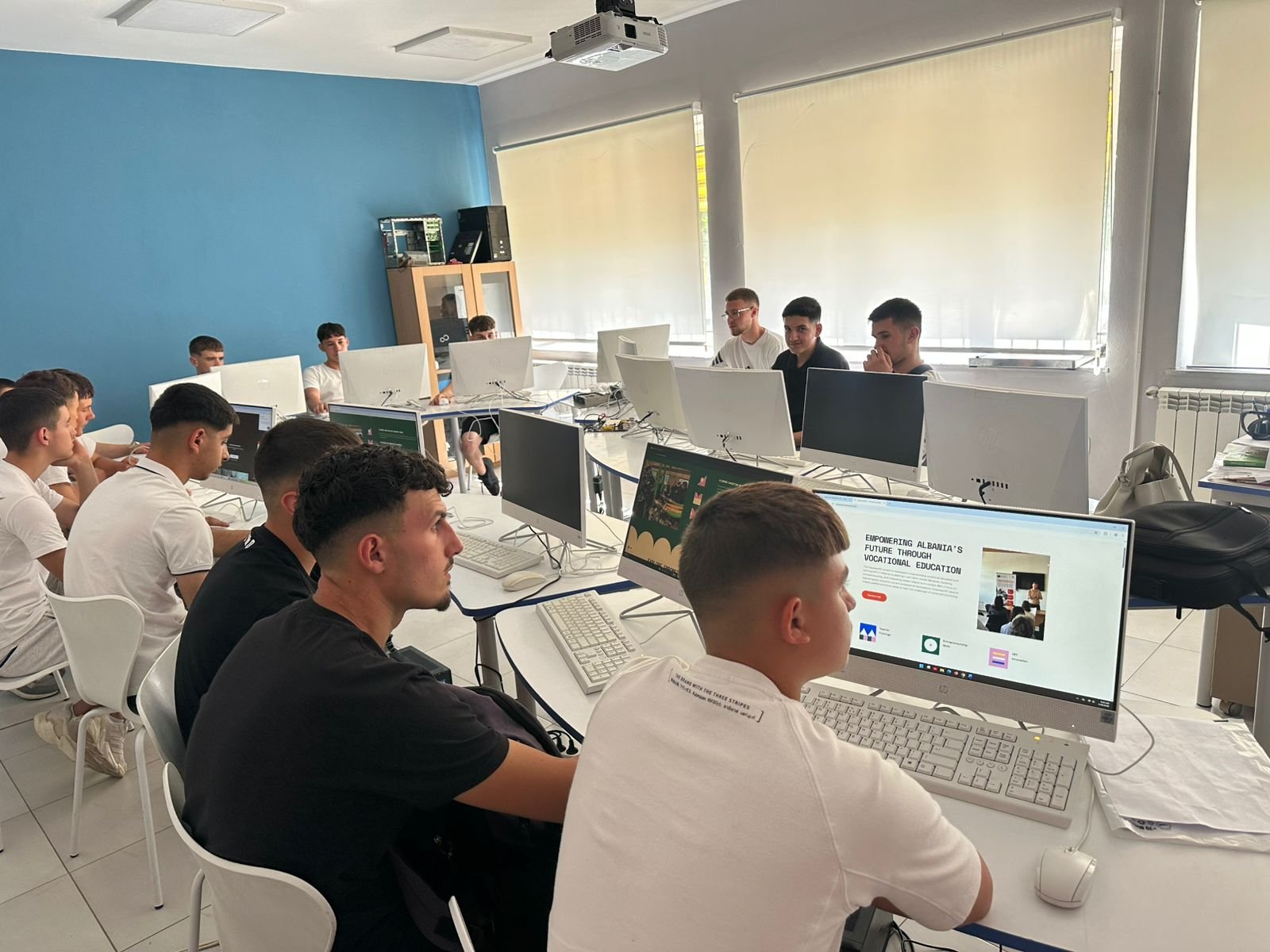
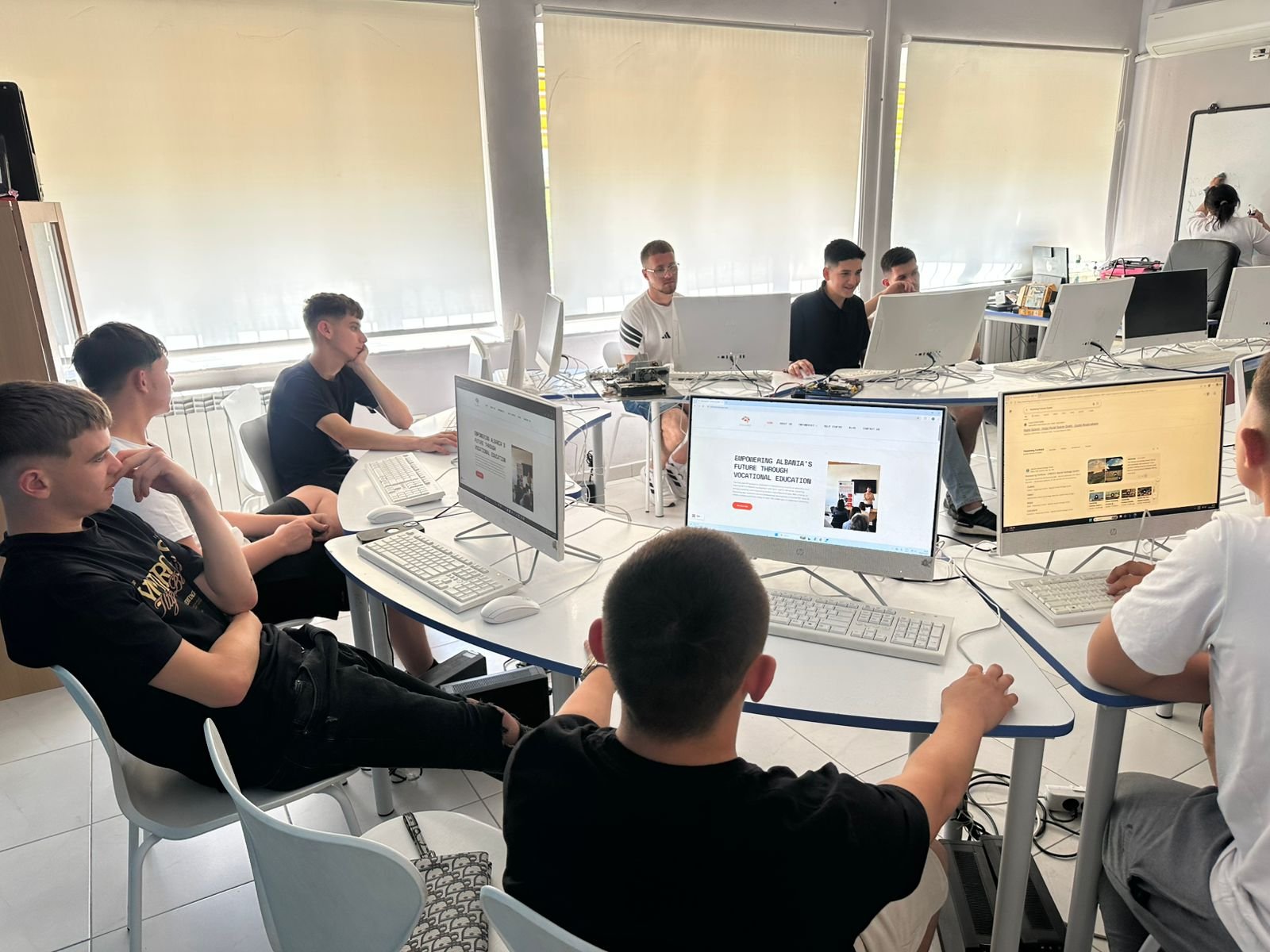
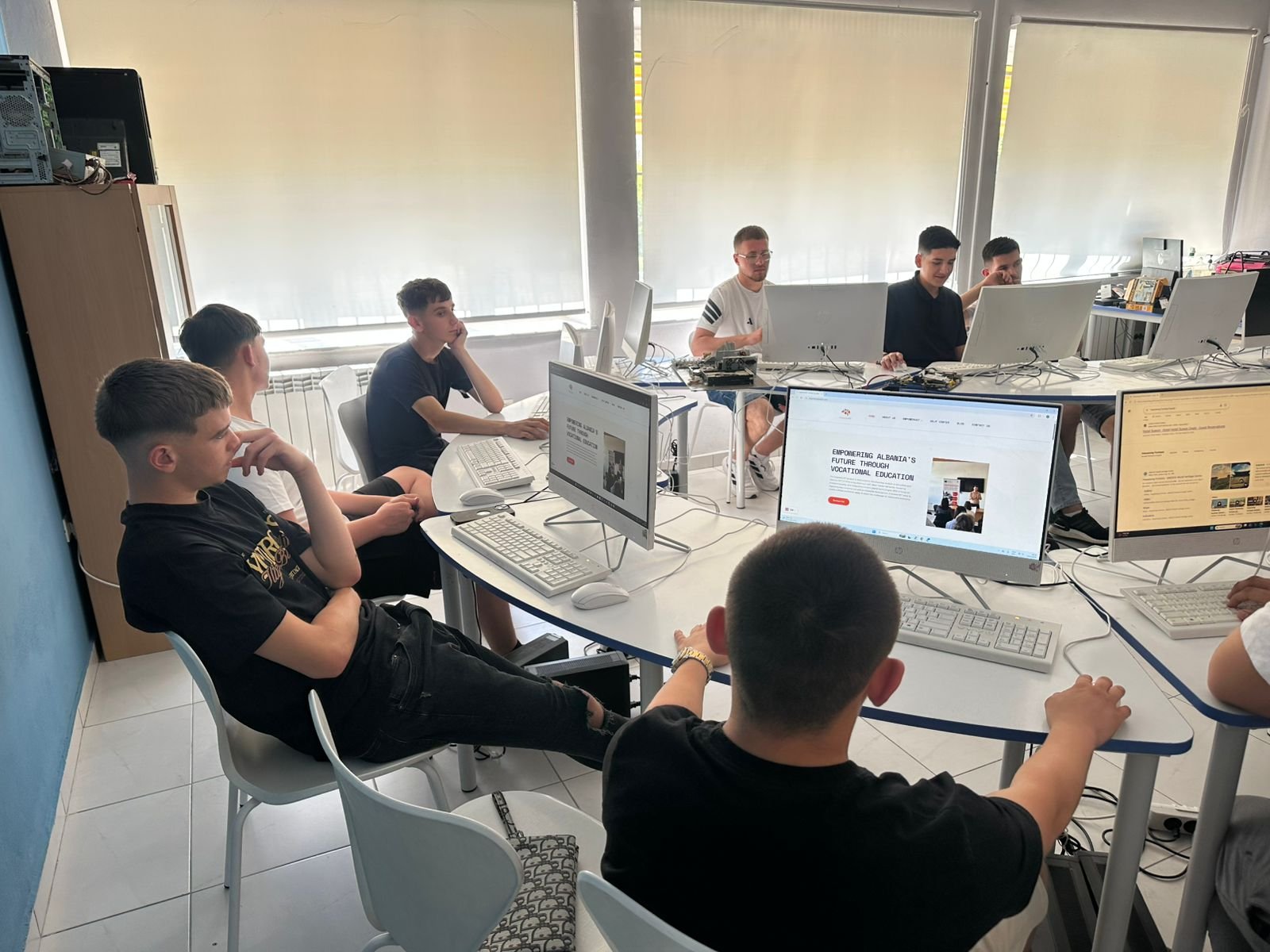
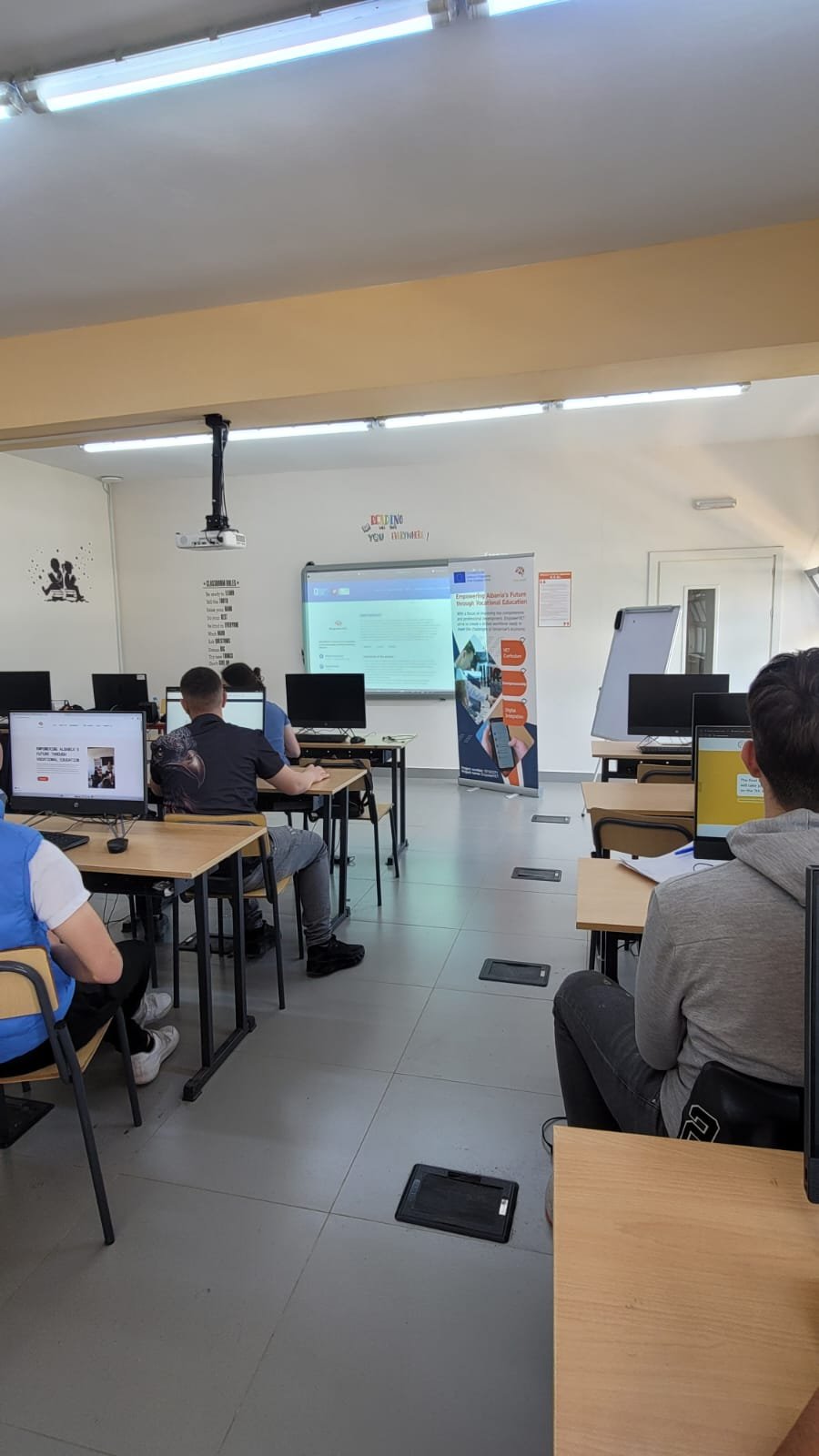
Throughout the project, participants developed valuable competences in logistics thinking, transport planning, data analysis, teamwork, communication, critical thinking, and problem-solving. They also gained a deeper understanding of how transportation systems can contribute to more sustainable and efficient communities.
The Smart School Logistics and Transport Optimization Project demonstrated how EmpowerVET methodologies can successfully support vocational education through real-world learning experiences. By combining Competence-Oriented Learning and Design Thinking, students were able to investigate challenges, develop innovative solutions, and contribute ideas that support smarter and more sustainable mobility practices.
This pilot activity represents another successful example of transferring EmpowerVET approaches into the Albanian VET sector and empowering students to become active contributors to sustainable development and innovation.
Disclaimer

Funded by the European Union. Views and opinions expressed are however those of the author(s) only and do not necessarily reflect those of the European Union or the European Education and Culture Executive Agency (EACEA). Neither the European Union nor EACEA can be held responsible for them.