Communication Activities: Driving Visibility, Engagement, and Impact Across the Project Lifecycle
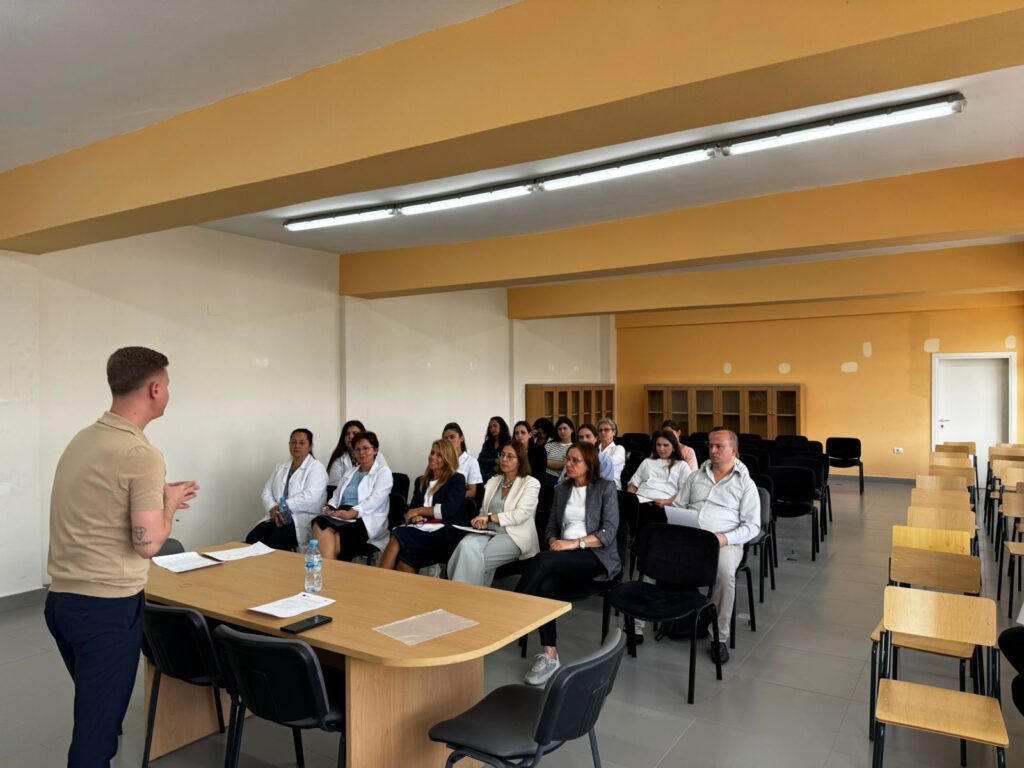
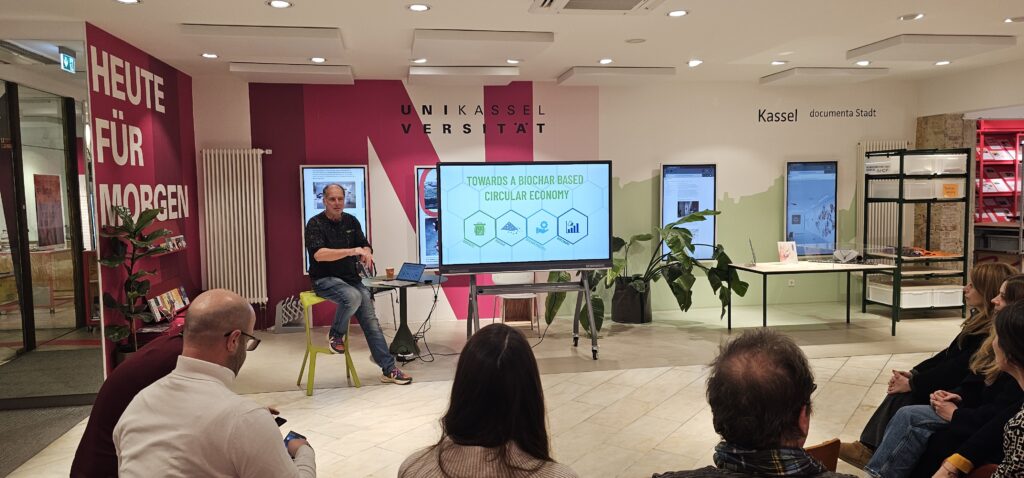
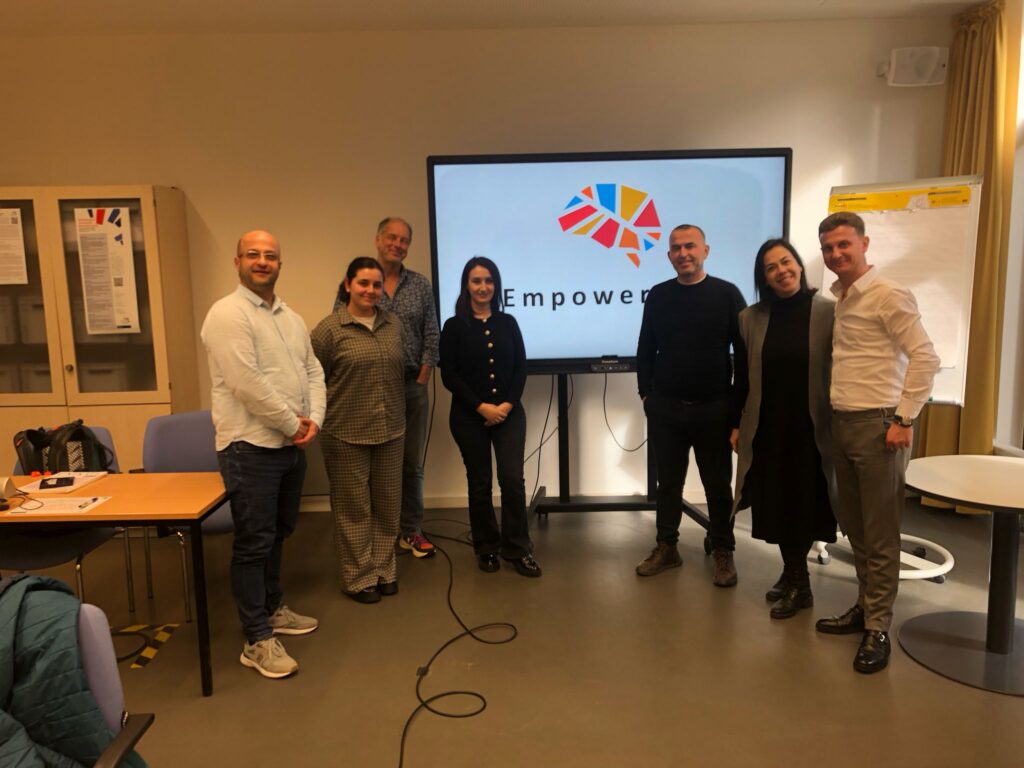
Effective communication is not a peripheral activity in an Erasmus+ project—it is a core delivery mechanism that directly influences impact, sustainability, and stakeholder uptake. The Communication Activities deliverable has been designed as a structured, results-oriented framework that ensures project achievements are visible, understandable, and reusable by all relevant audiences, from learners and educators to policymakers and industry partners. From the outset, communication activities have been strategically aligned with the project’s objectives and target groups. The project website serves as the central information hub, continuously updated with key deliverables, news, events, and results. It functions not only as a repository of outputs but as a living platform that demonstrates progress, transparency, and EU added value over time. Complementing the website, social media channels (Facebook, LinkedIn, Instagram) are actively used to amplify reach and engagement. These channels enable the timely dissemination of milestones, training activities, events, and success stories while also fostering two-way interaction with the wider community. Content is adapted to each platform to maximize visibility, relevance, and user engagement. A strong visual identity underpins all communication actions. Logos, templates, promotional materials, and branded content ensure consistency and professional presentation across digital and physical channels. This coherent branding strengthens project recognition and reinforces credibility among stakeholders and institutions. Newsletters and press-oriented content further extend outreach. Periodic newsletters consolidate achievements, highlight progress, and provide concise updates to stakeholders, while blog articles and media publications translate technical outputs into accessible narratives for broader audiences. These tools support both the dissemination and exploitation of results. Face-to-face dissemination remains equally critical. Events with students, teachers, enterprises, and institutional actors enable direct knowledge transfer, validation of results, and meaningful stakeholder engagement. These interactions ensure that project outputs respond to real needs and are embedded in practice. In parallel, targeted policy communication ensures that results reach decision-makers and relevant authorities, supporting long-term sustainability and potential scaling at the system level. In summary, the Communication Activities deliverable demonstrates a proactive, multi-channel, and impact-driven approach. It ensures that project results do not remain static outputs, but become visible assets that inform practice, influence policy, and create lasting value well beyond the project duration.